
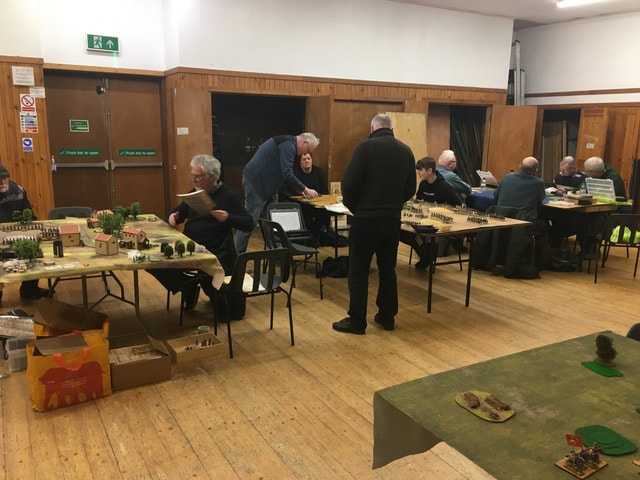
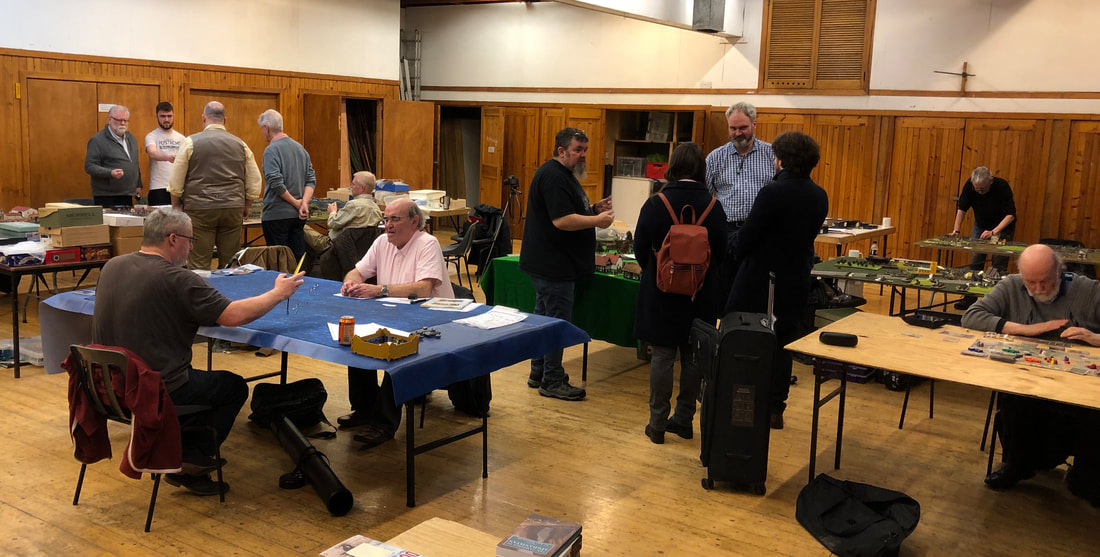
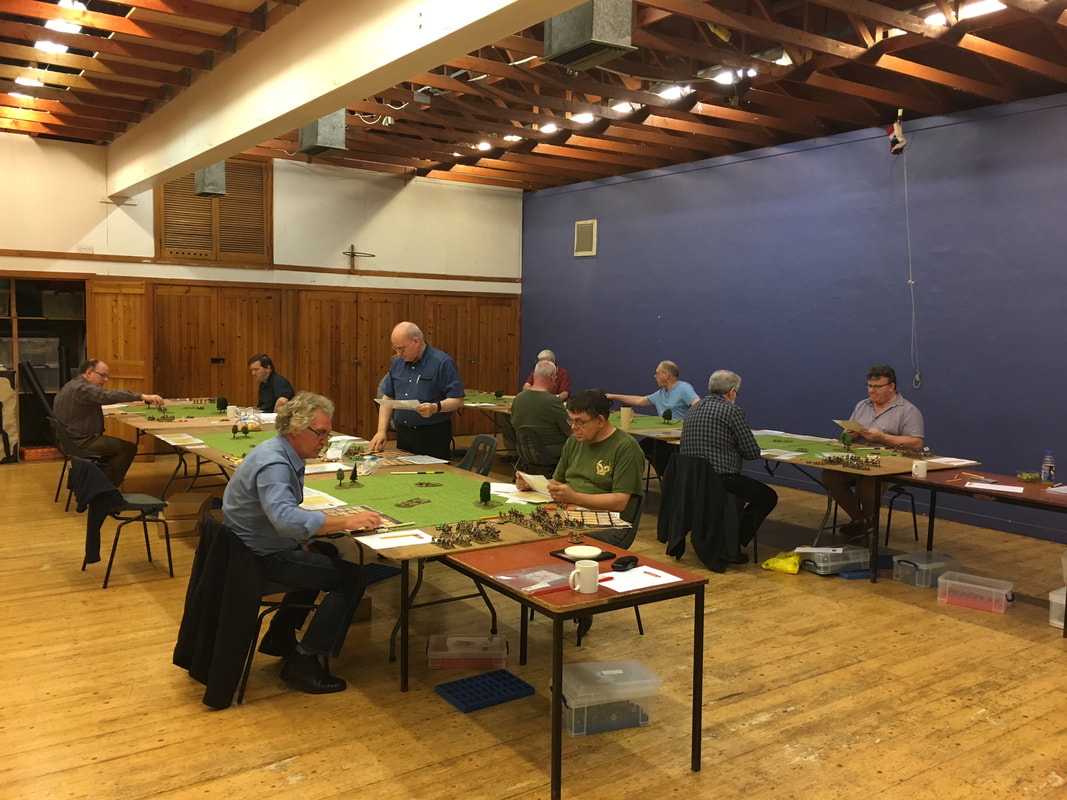
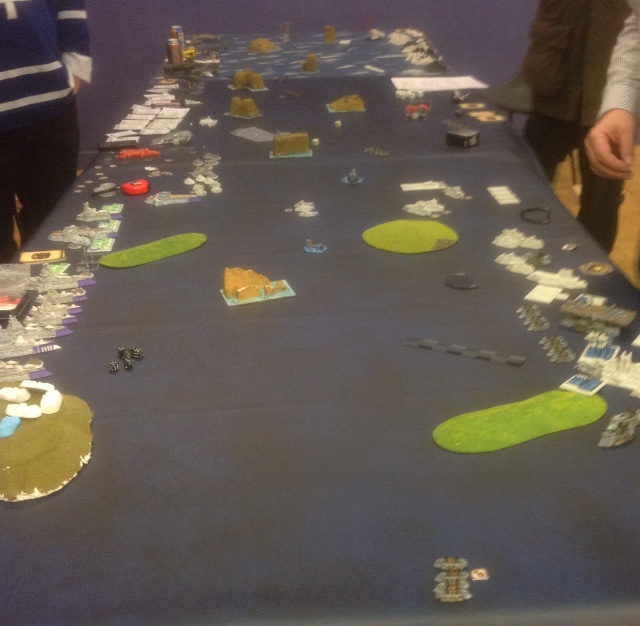
Our annual Napoleonic Open Day coincidentally landed on Waterloo Day, so there could only be one choice for the feature game.
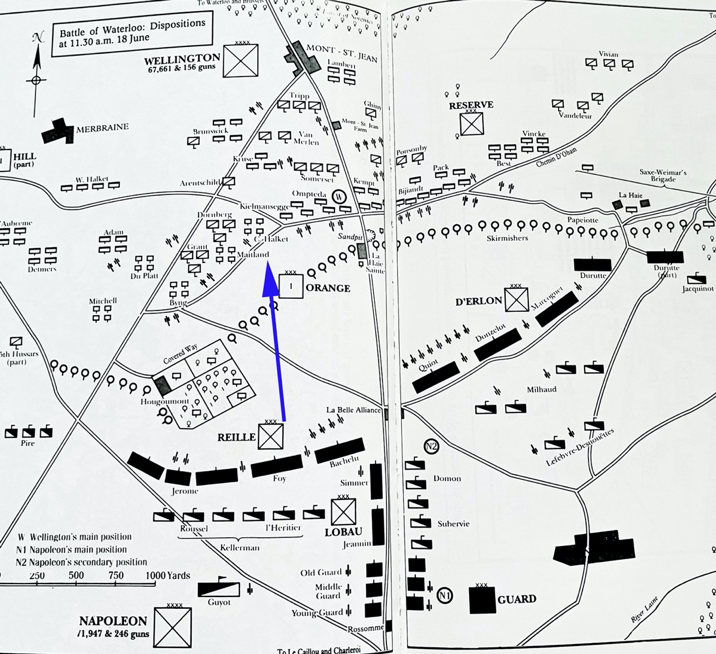
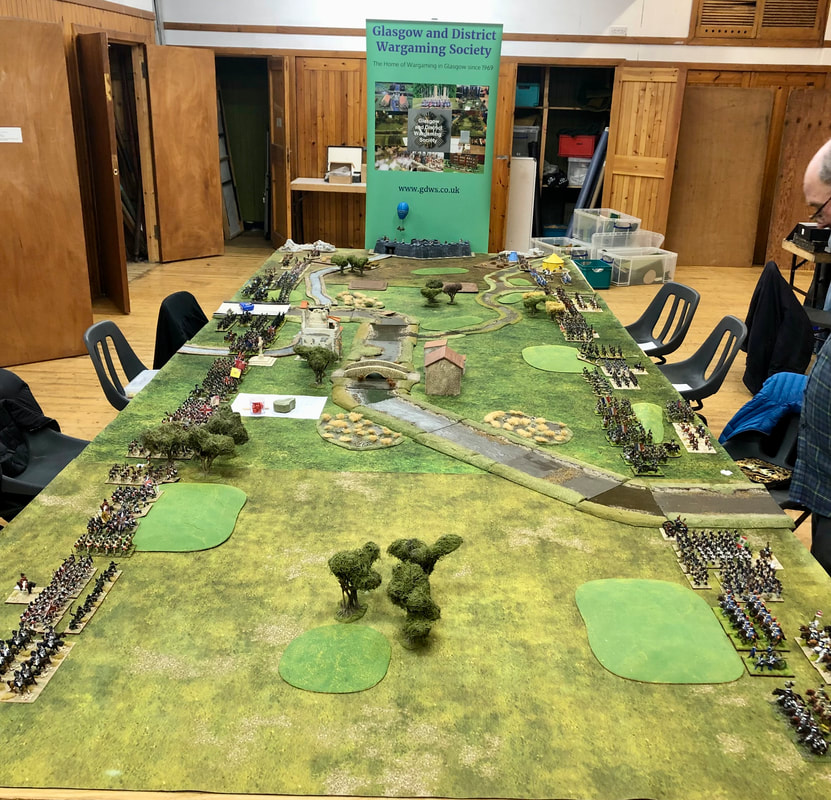
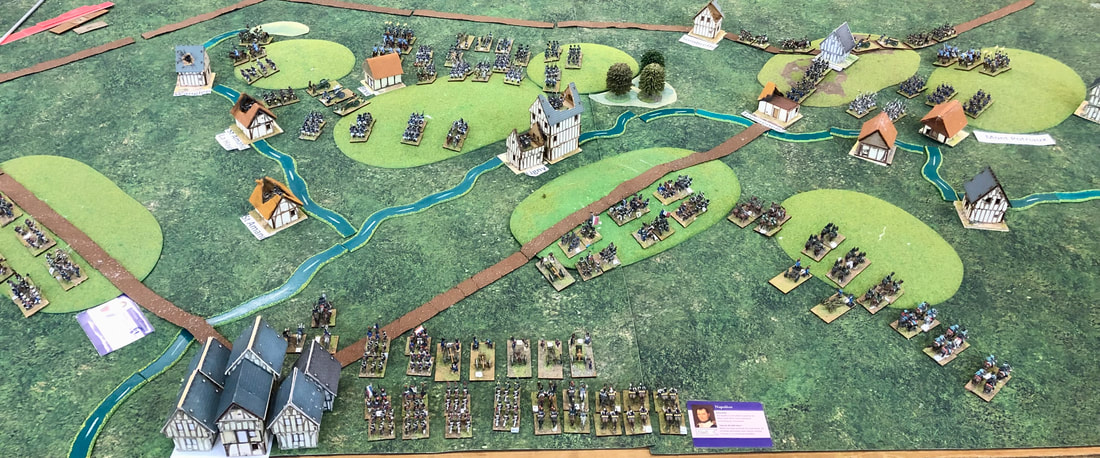
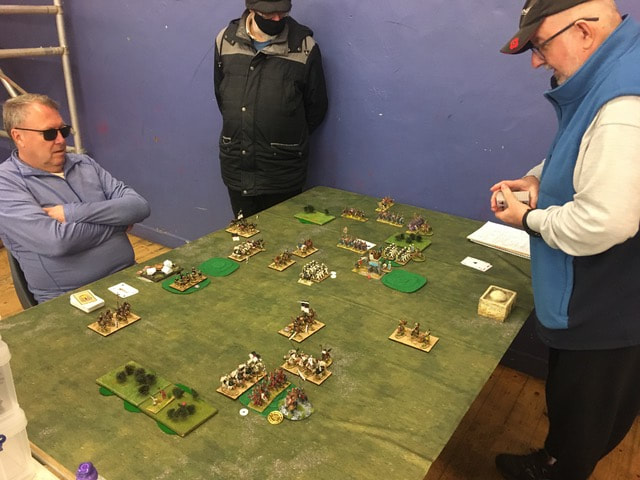
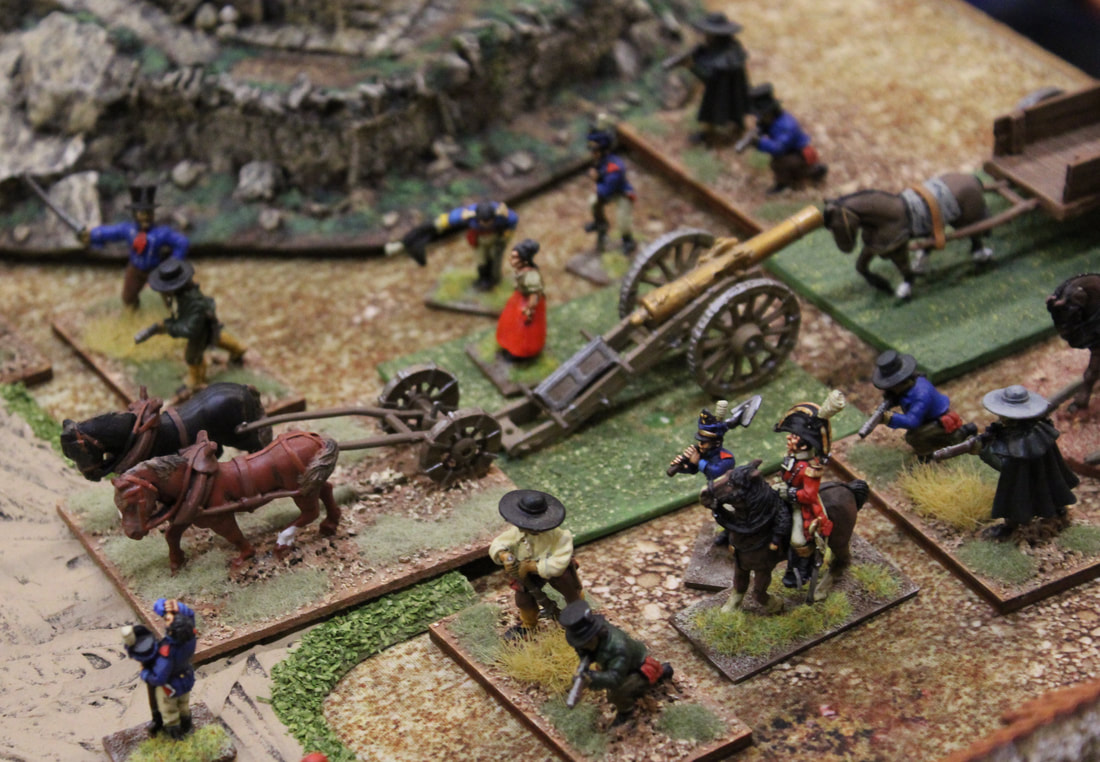
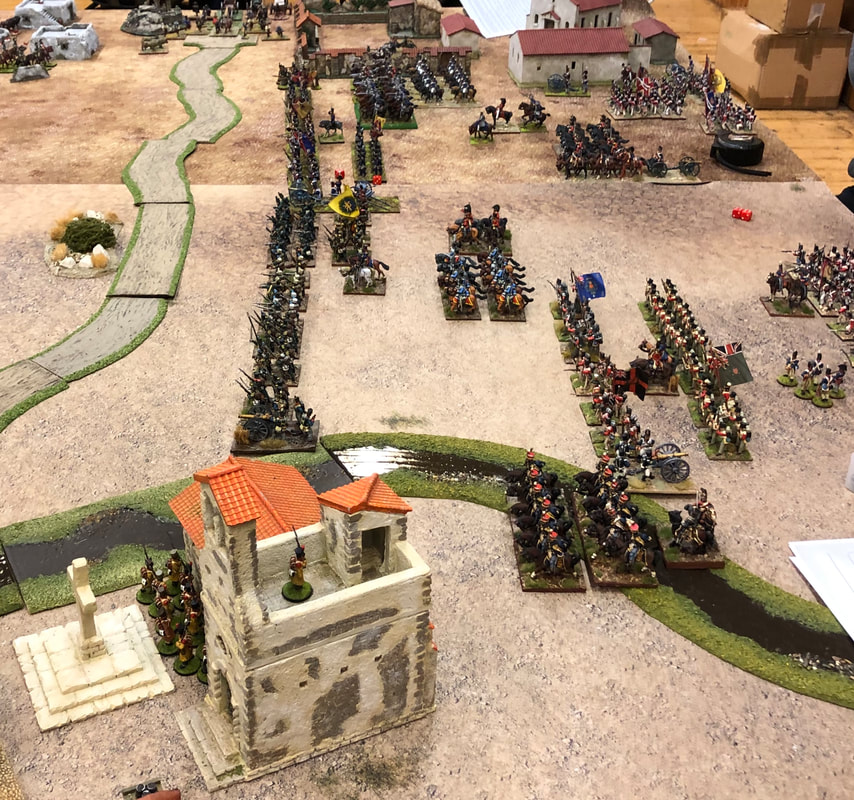
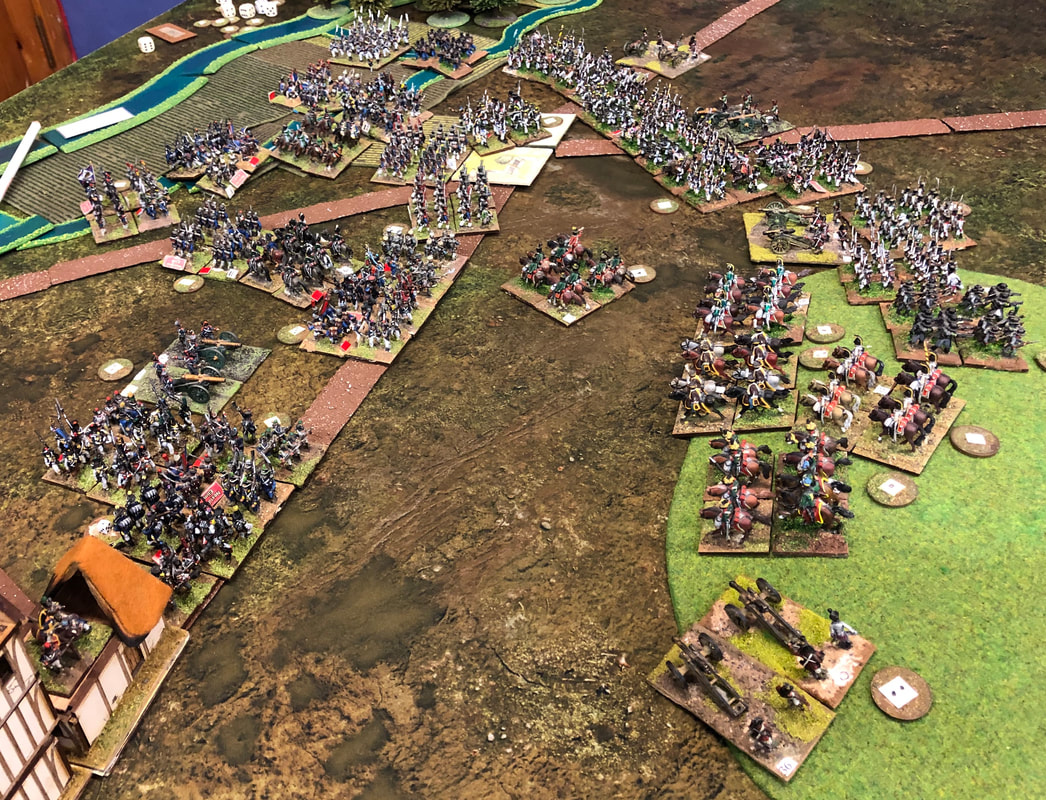
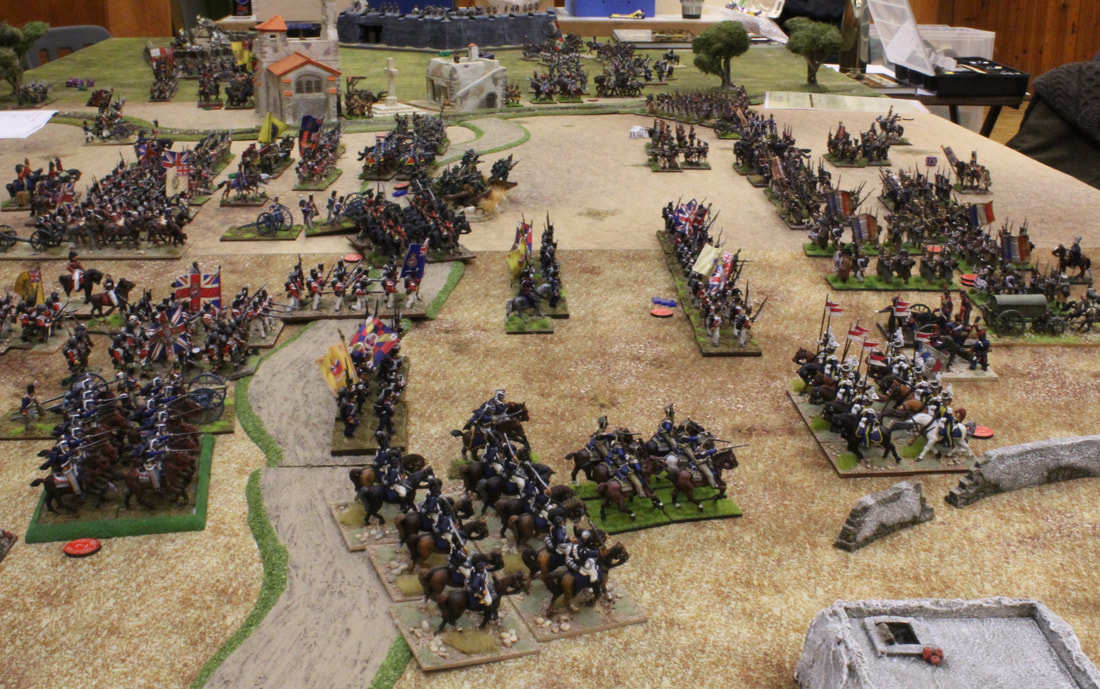
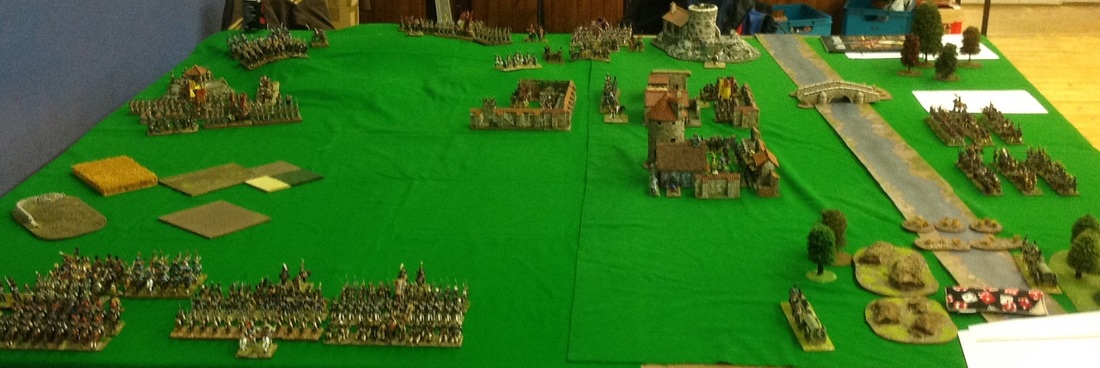
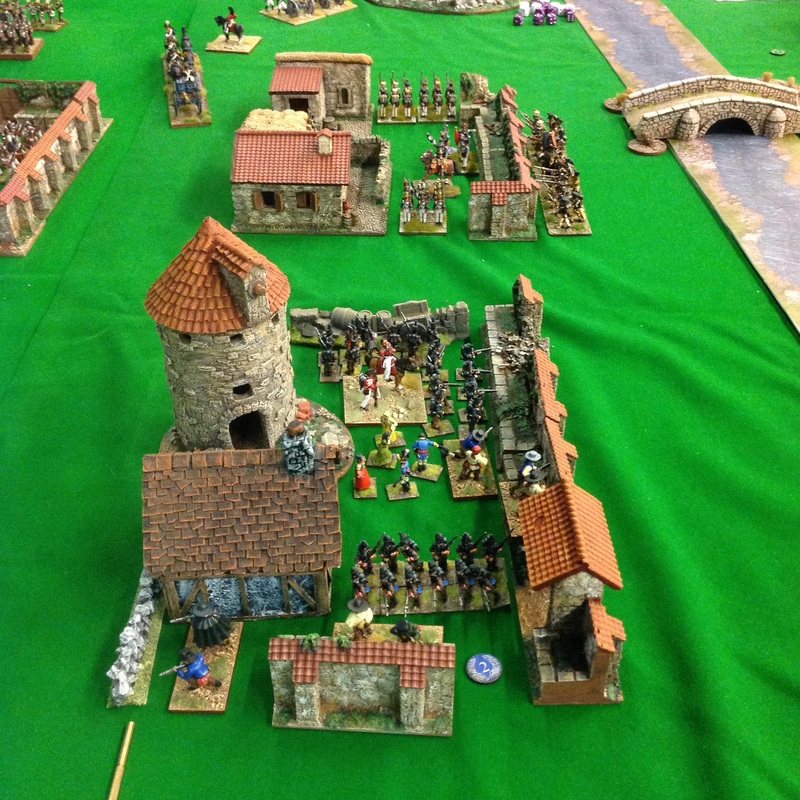
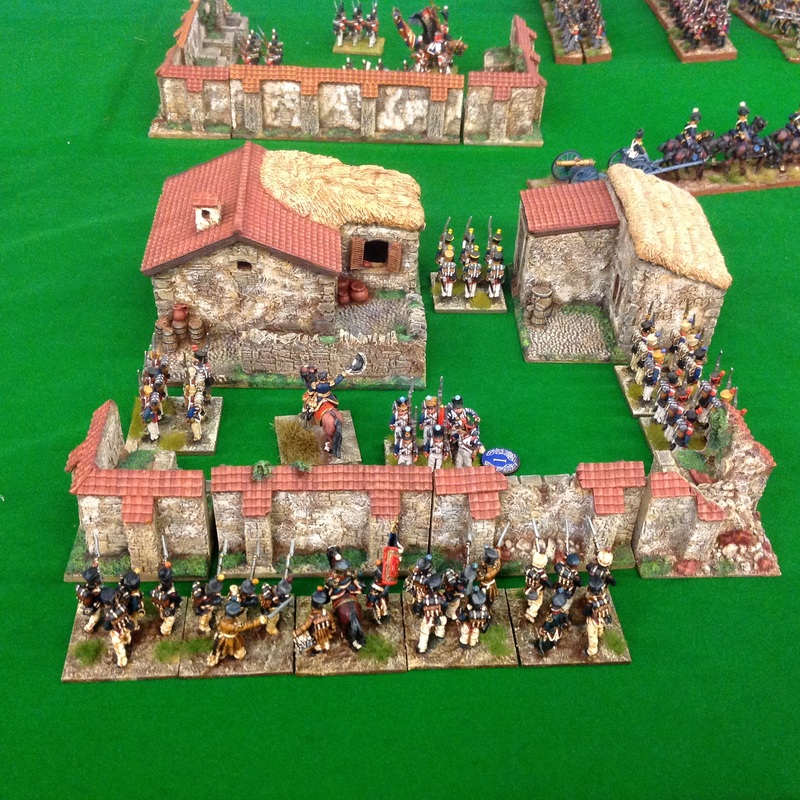
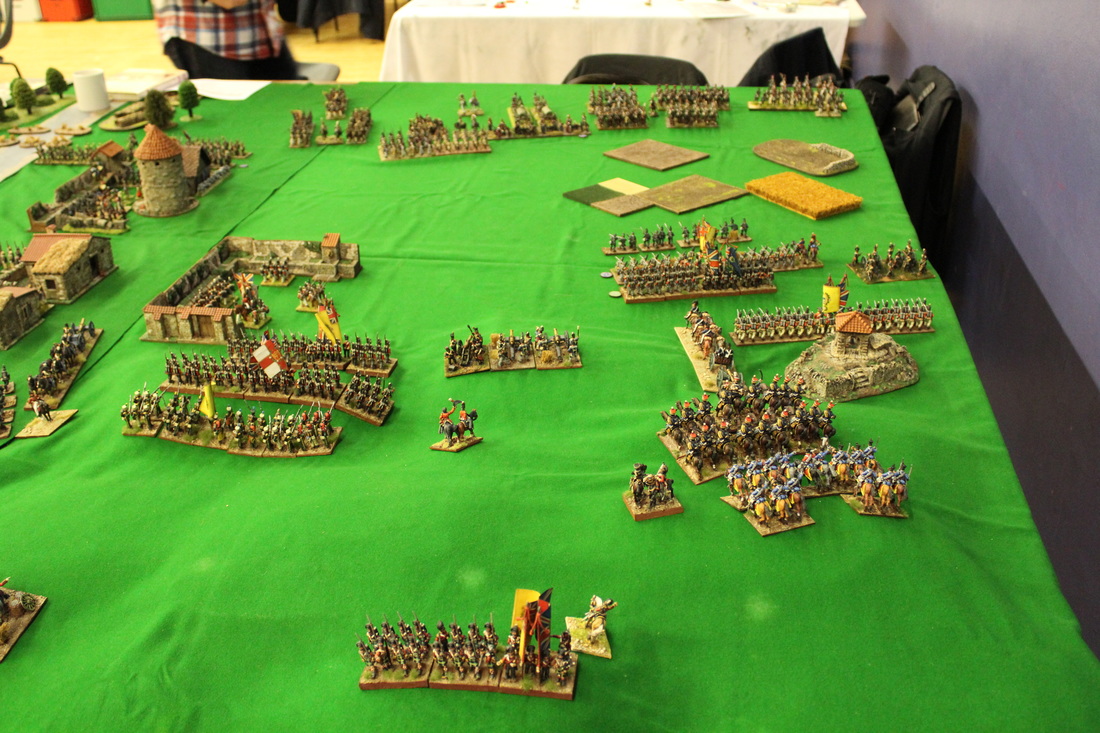
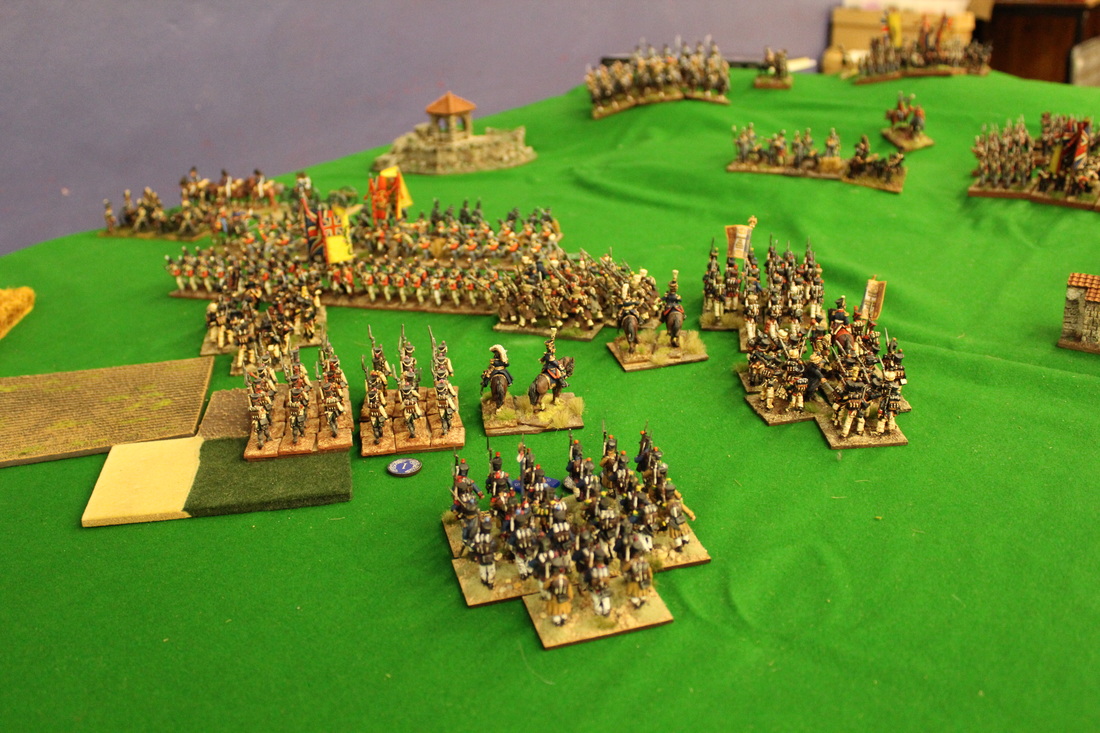
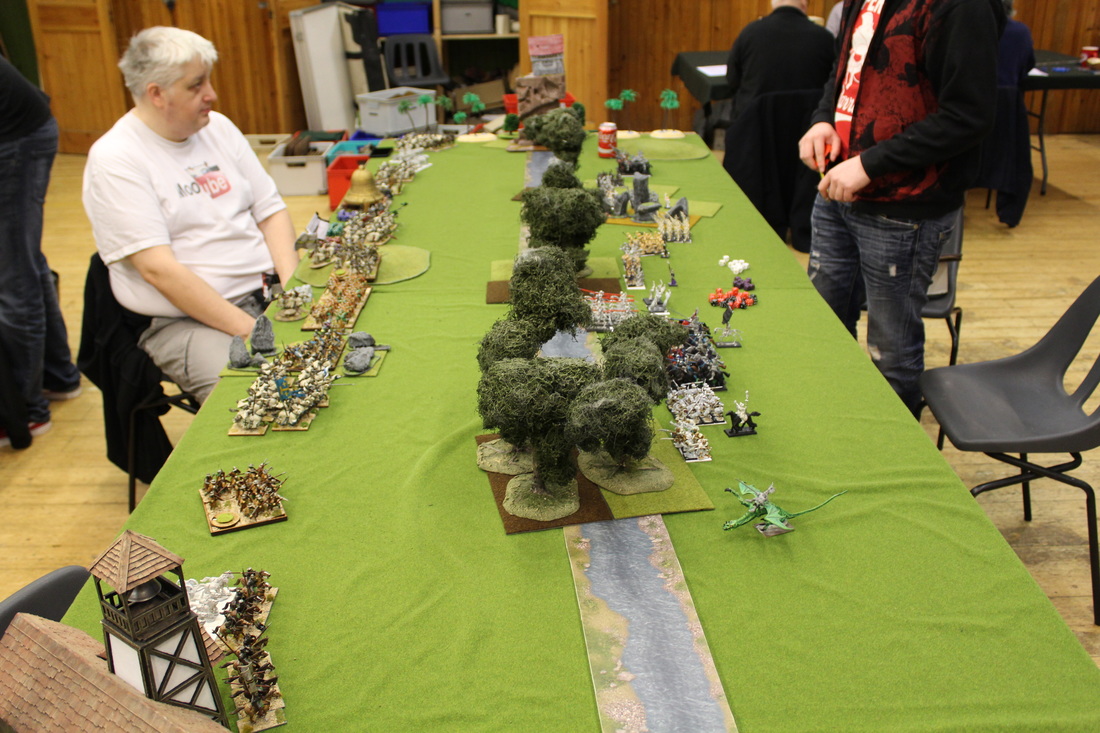
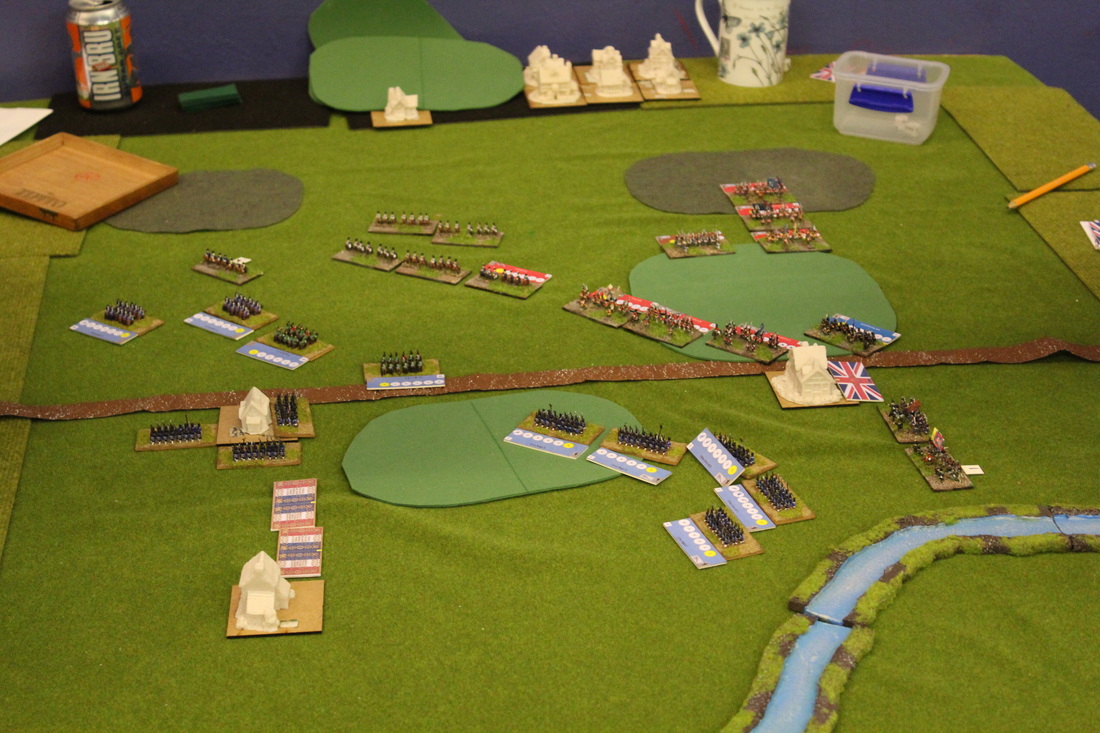
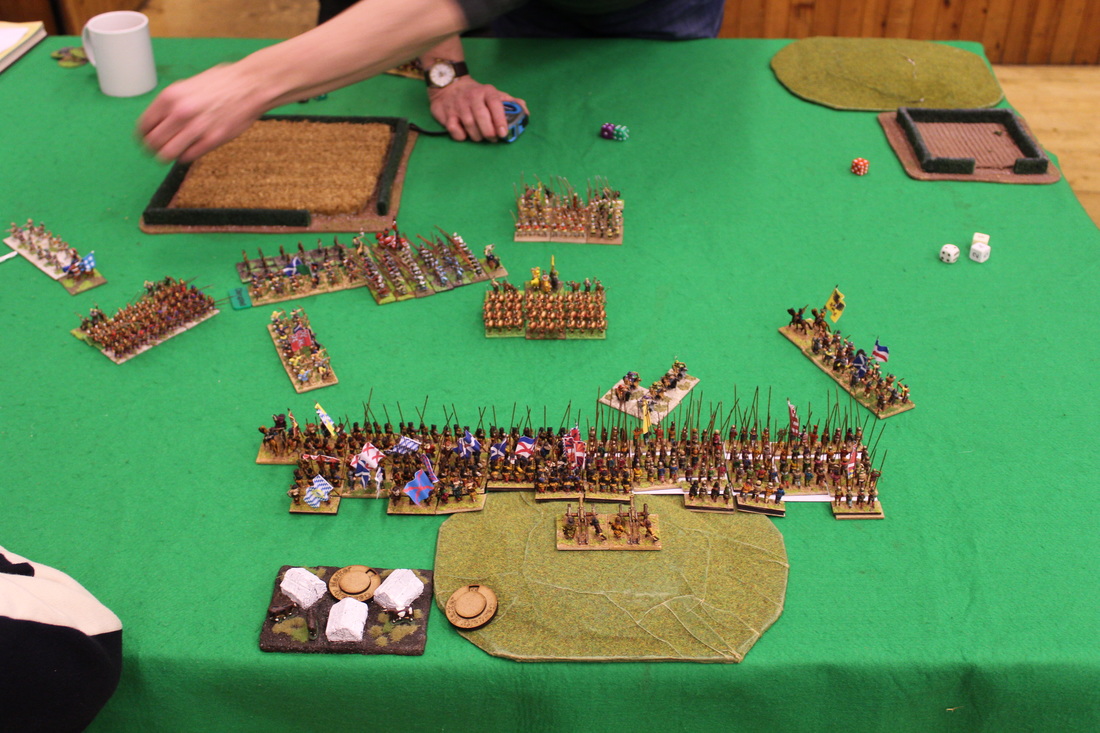
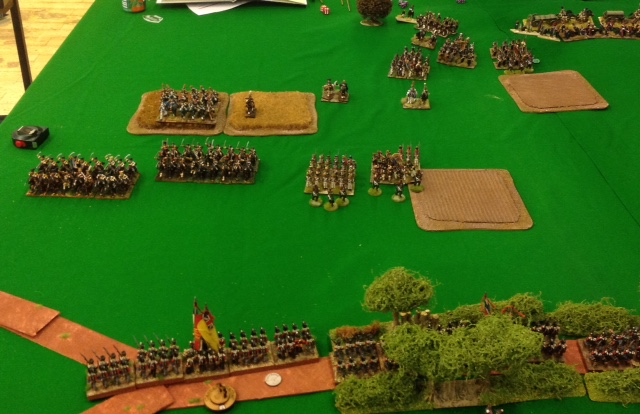
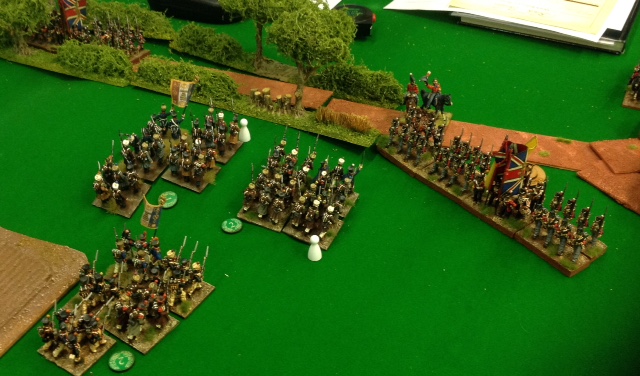
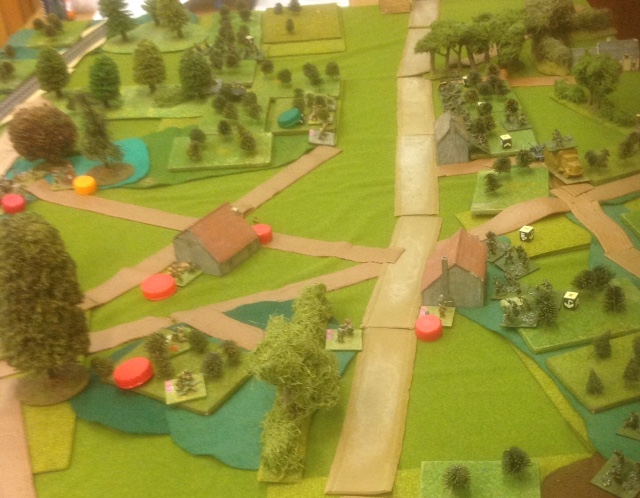
The game was a refight of the Allied right, and French left battlefield between Hougoumont and La Haye Sainte. In the historic battle, Reille allowed his corps to be sucked into a fight for Hougoumont, weakening the main attack. In this refight, we assumed that the French follow Napoleon’s battle plan and screen Hougoumont, releasing more of Reille’s Corps to attack the shallower right of the Mont St Jean Ridge and attempt to smash through the Allied right. This also meant more of Hill’s Corps was available as a reserve, as they would not be drawn into Hougomount either.
The game was a refight of the Allied right, and French left battlefield between Hougoumont and La Haye Sainte. In the historic battle, Reille allowed his corps to be sucked into a fight for Hougoumont, weakening the main attack. In this refight, we assumed that the French follow Napoleon’s battle plan and screen Hougoumont, releasing more of Reille’s Corps to attack the shallower right of the Mont St Jean Ridge and attempt to smash through the Allied right. This also meant more of Hill’s Corps was available as a reserve, as they would not be drawn into Hougomount either.
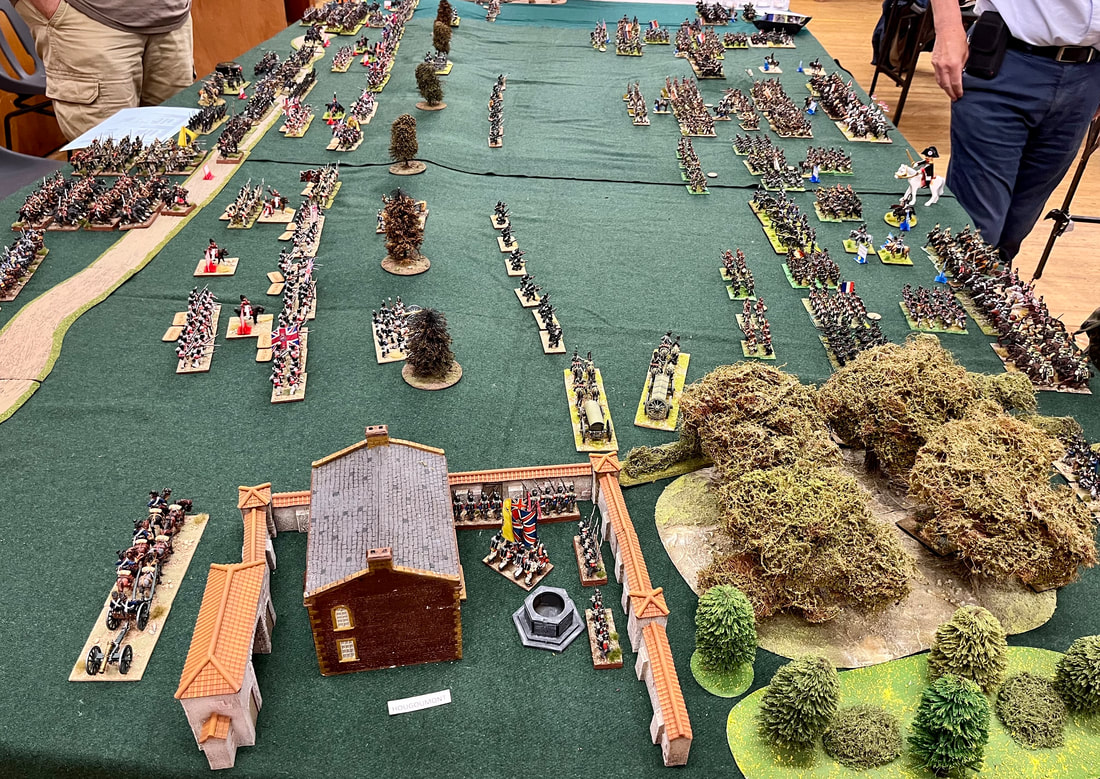
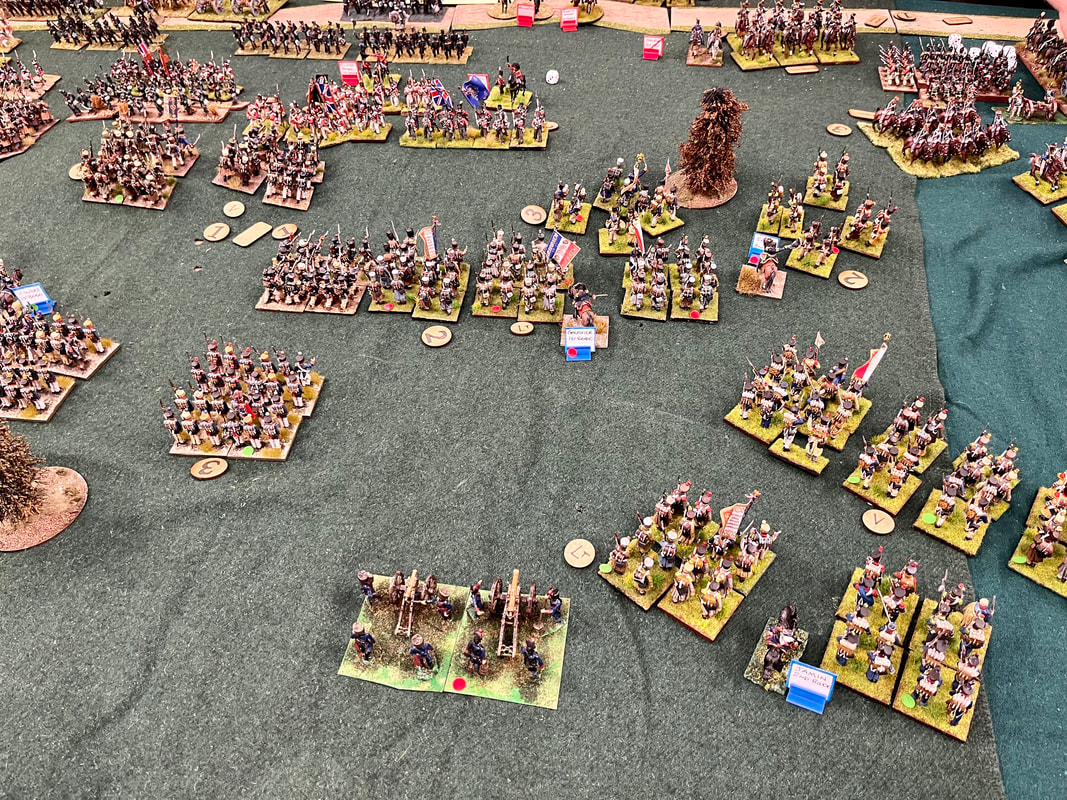
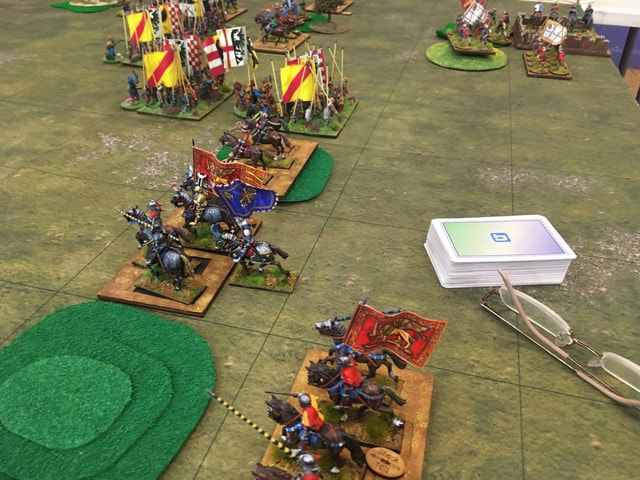
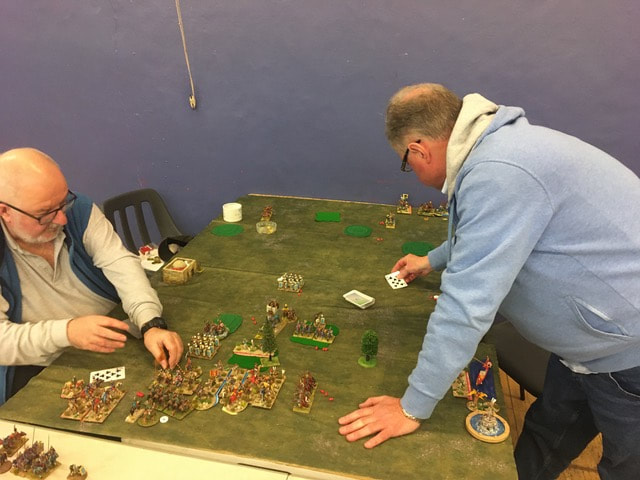
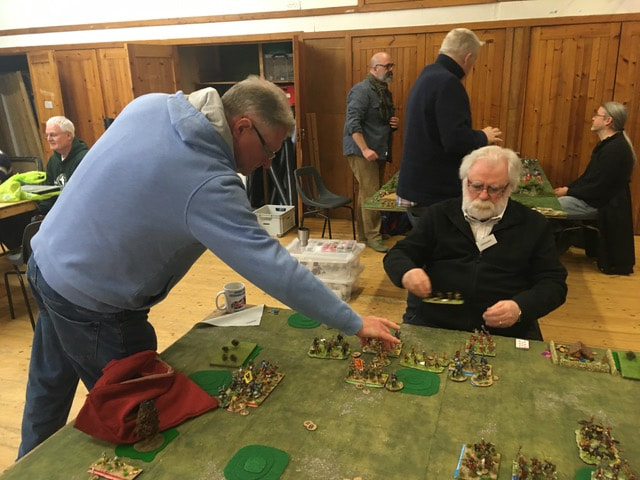
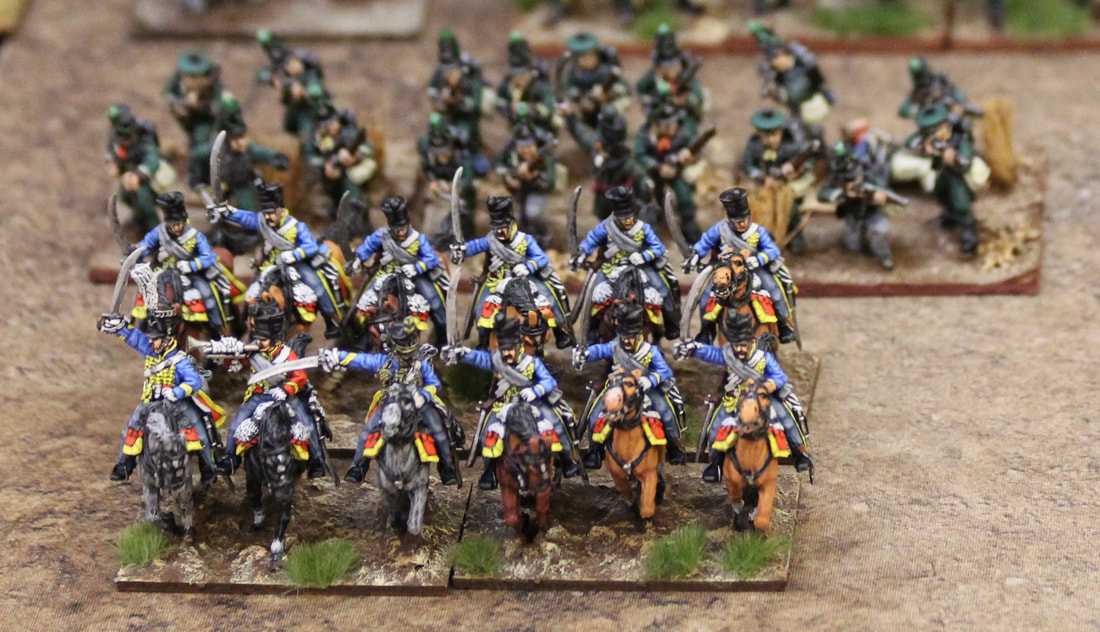
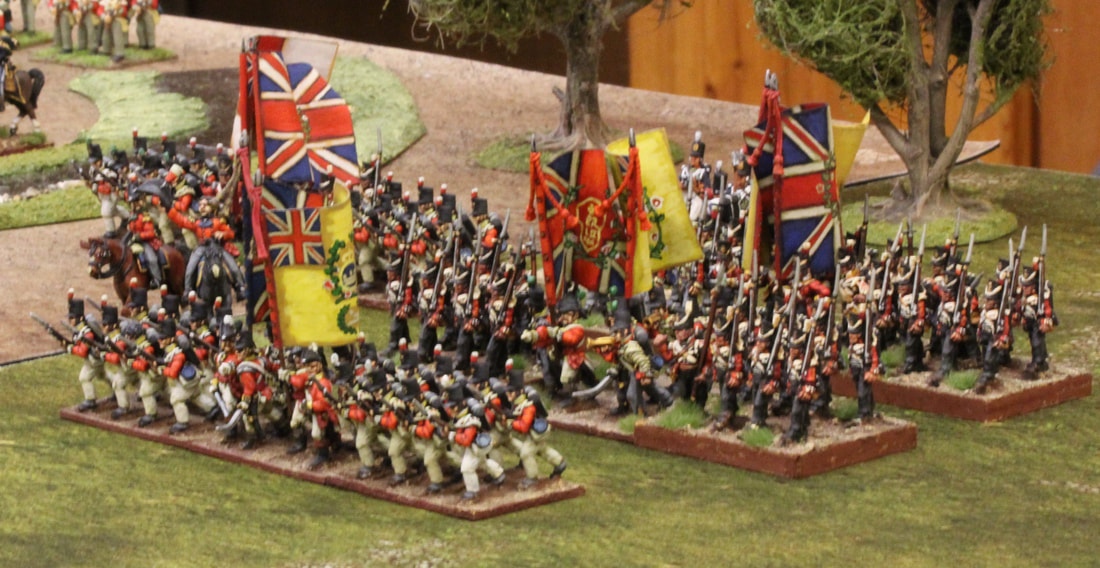
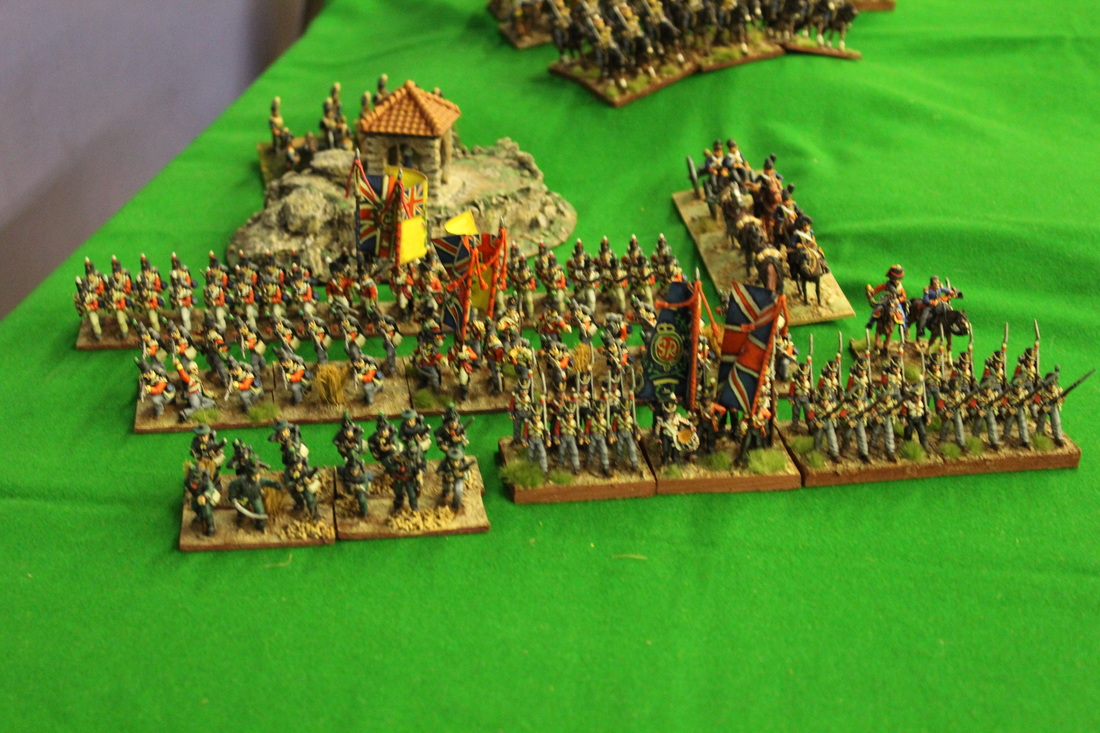
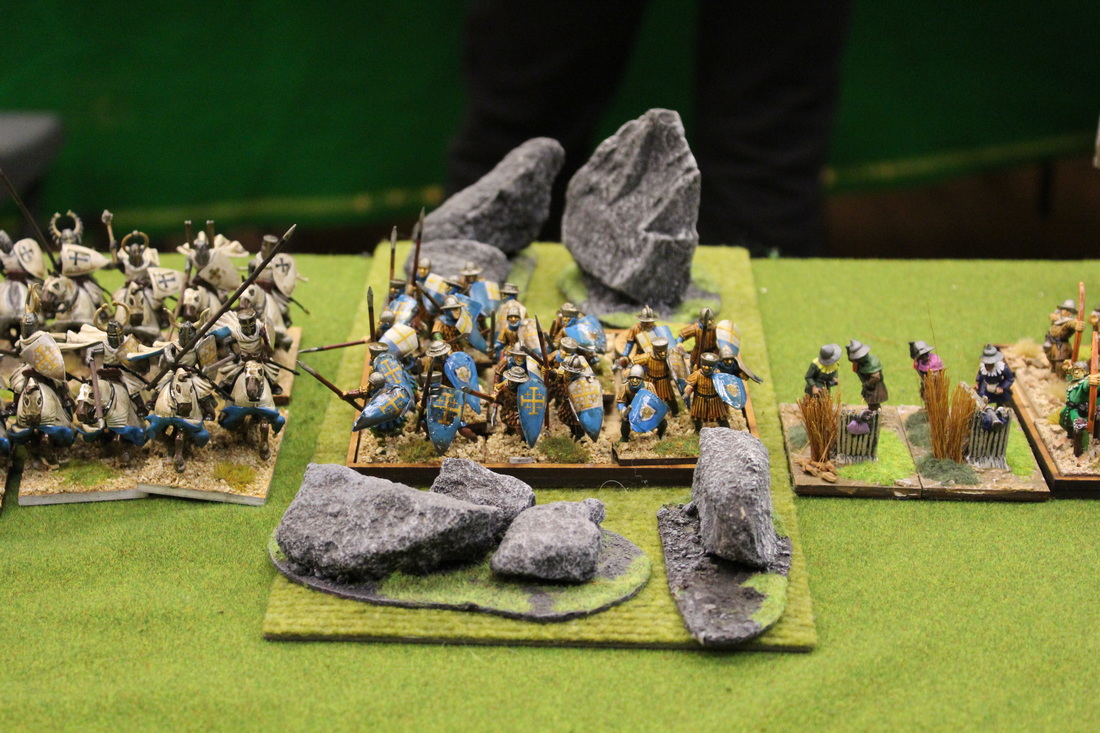
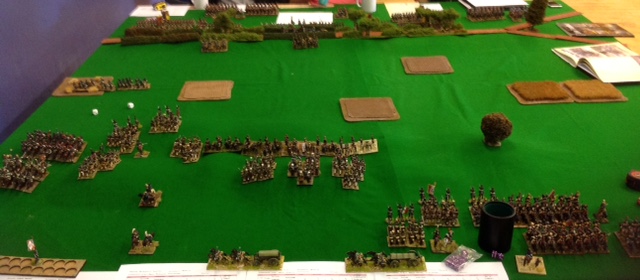
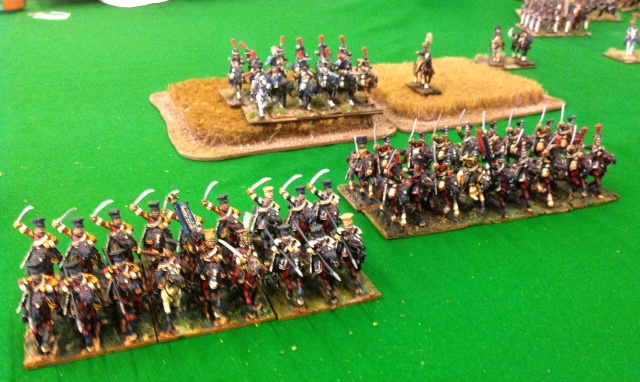
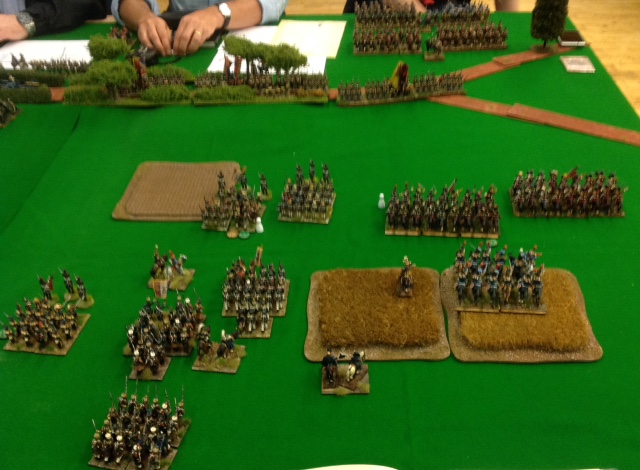
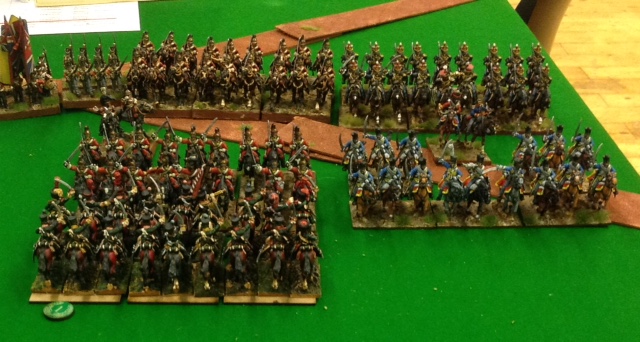
On the French left, Bachelu's Division was a bit slow getting going, having failed two order throws. The British Guards were only troubled mid-game, when the French Dragoon Brigade rattled them and the Household Cavalry had to be deployed to push them back. In the centre and right the other two French divisions made better progress and the battle went back and forth several times.
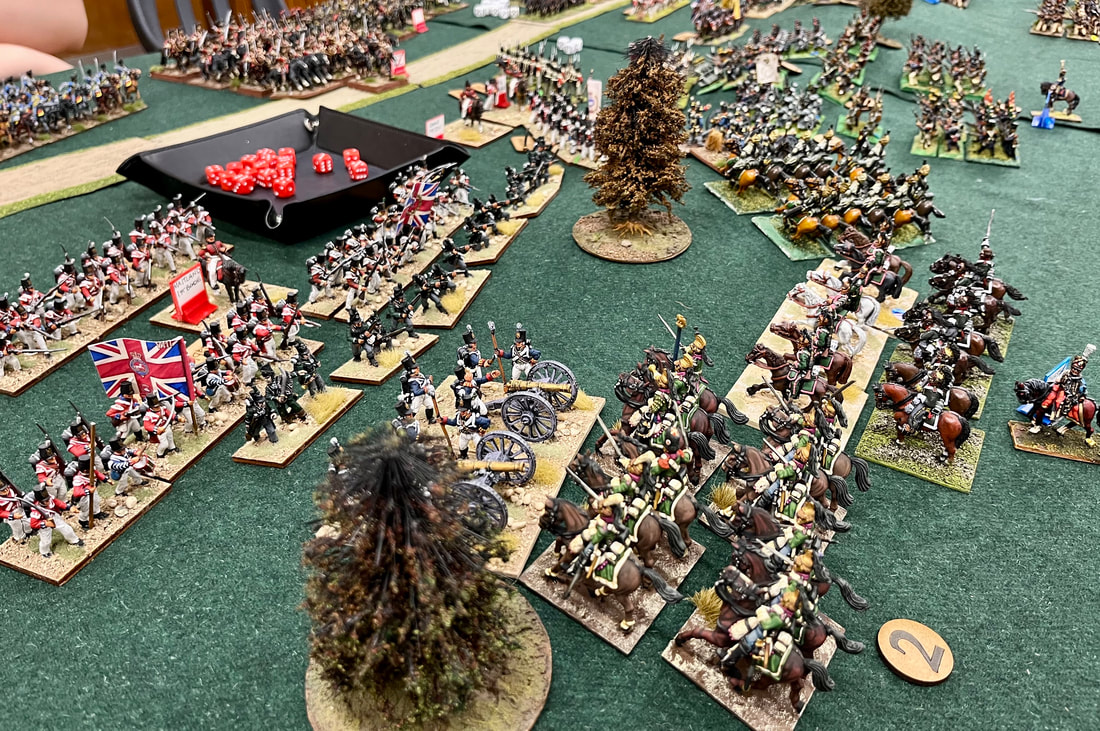
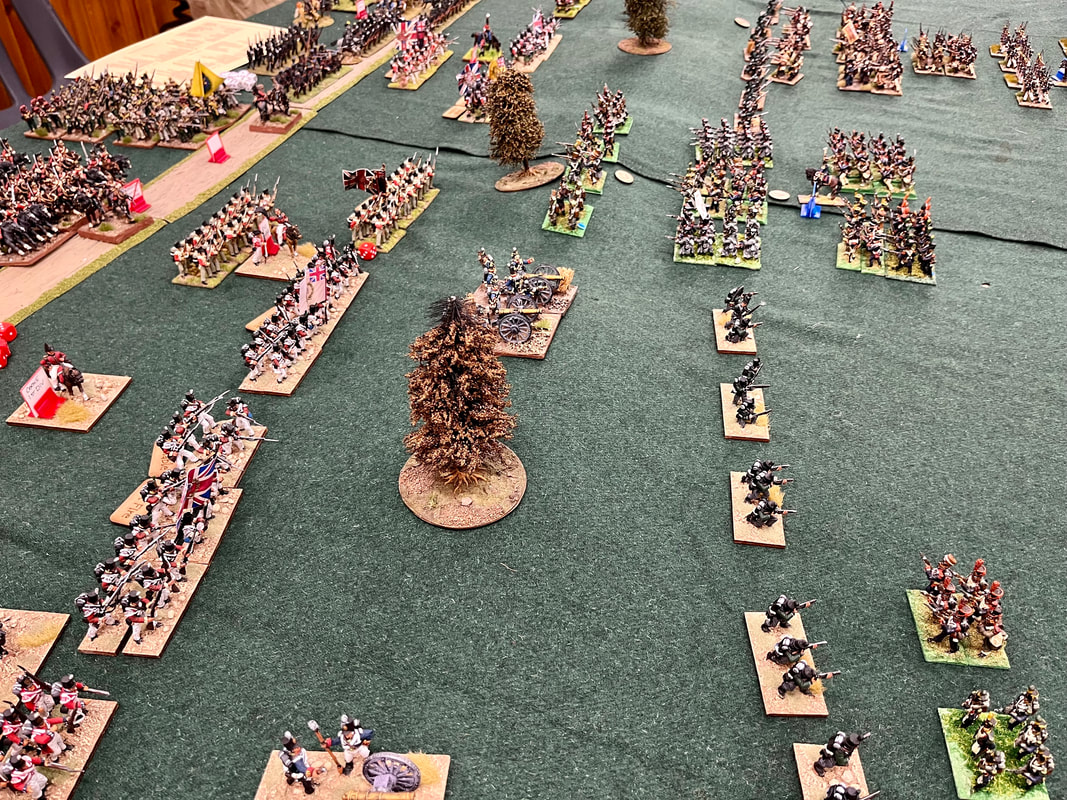
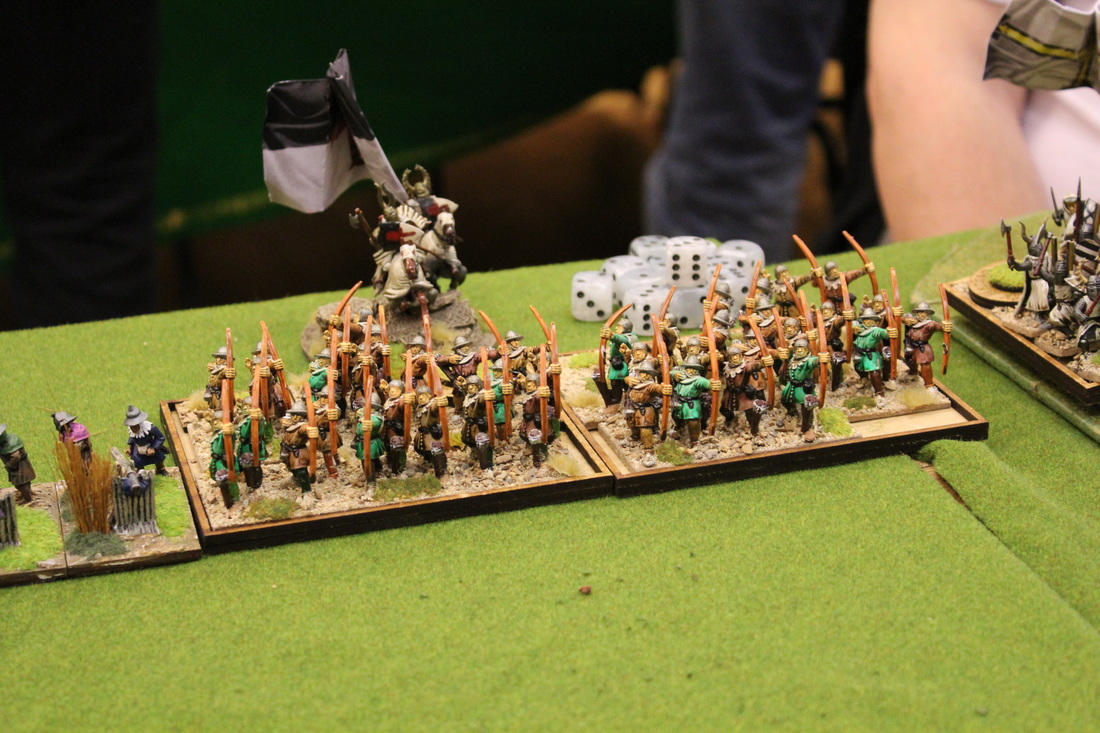
The Hanoverians in particular held on under heavy pressure.
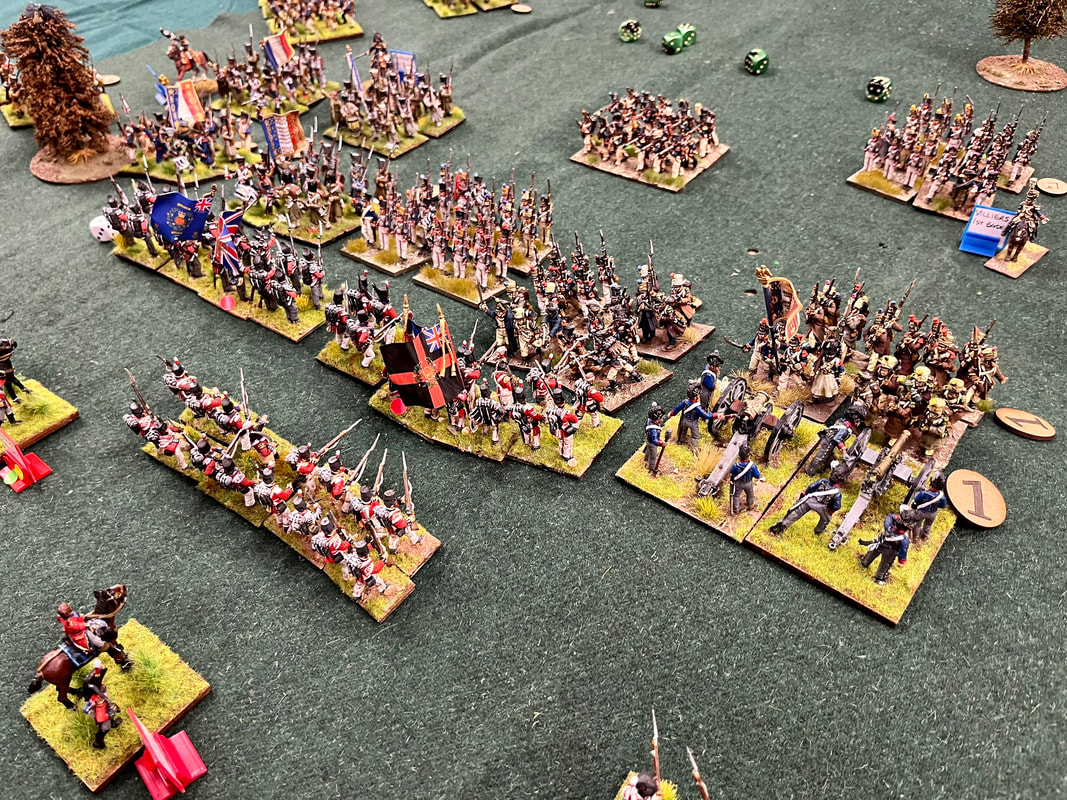
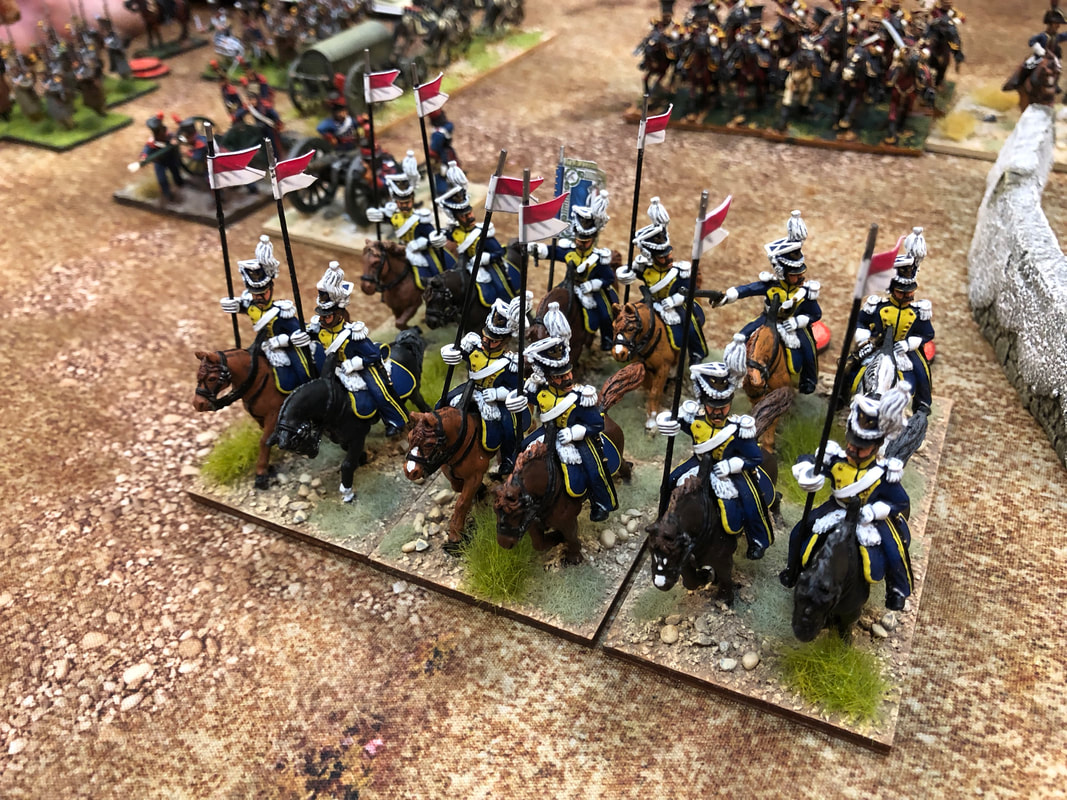
After around four hours of game play, it was clear that the French were not going to break through the ridge, with many units shaken. The Lancer Brigade didn't move from the base line and the Guard never got onto the table. Napoleon heading for St Helena and the Guard not even committed!










 RSS Feed