Carronade - September 2021
Who do you think you are kidding Mr Hitler!
|
On 14 May 1940, the Secretary of State for War Anthony Eden announced the formation of the Local Defence Volunteers (LDV). They would be given a uniform (initially an armband) and armed (mostly civilian weapons) but not paid. 250,000 men between the ages of 17 and 65 signed up in seven days, and the LDV grew to 1.5 million by July, when it was renamed the Home Guard. Women formed some unofficial units late in 1940 but otherwise were limited to non-combat roles.
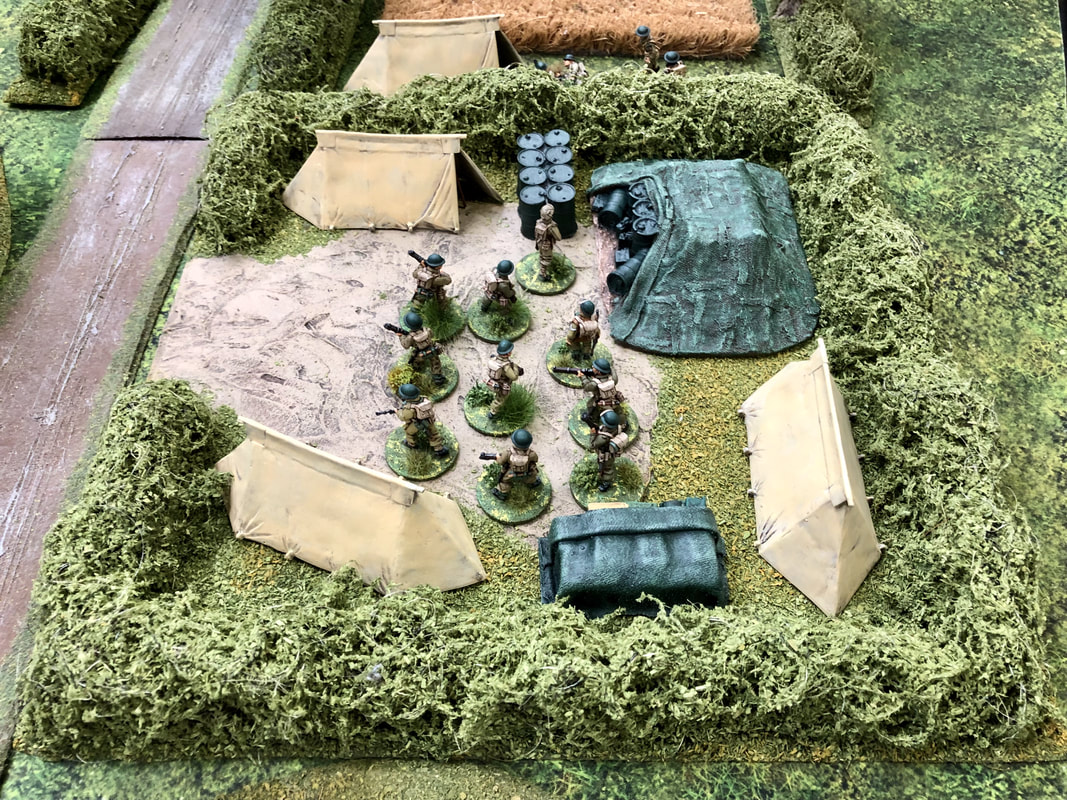
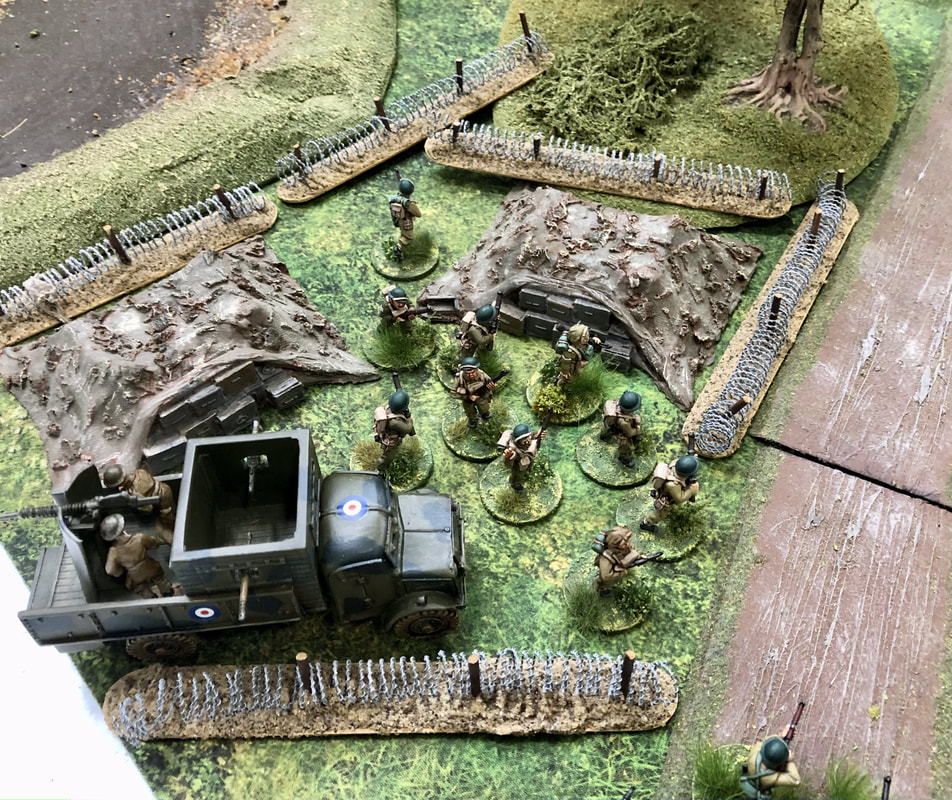
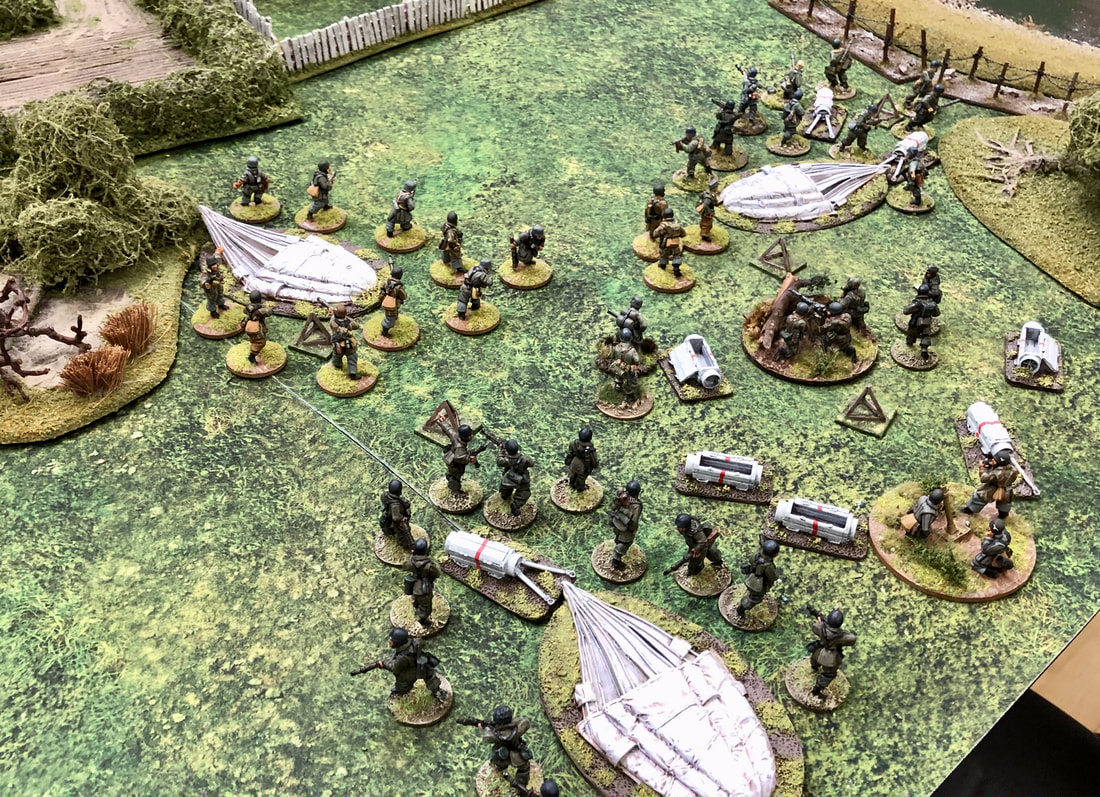
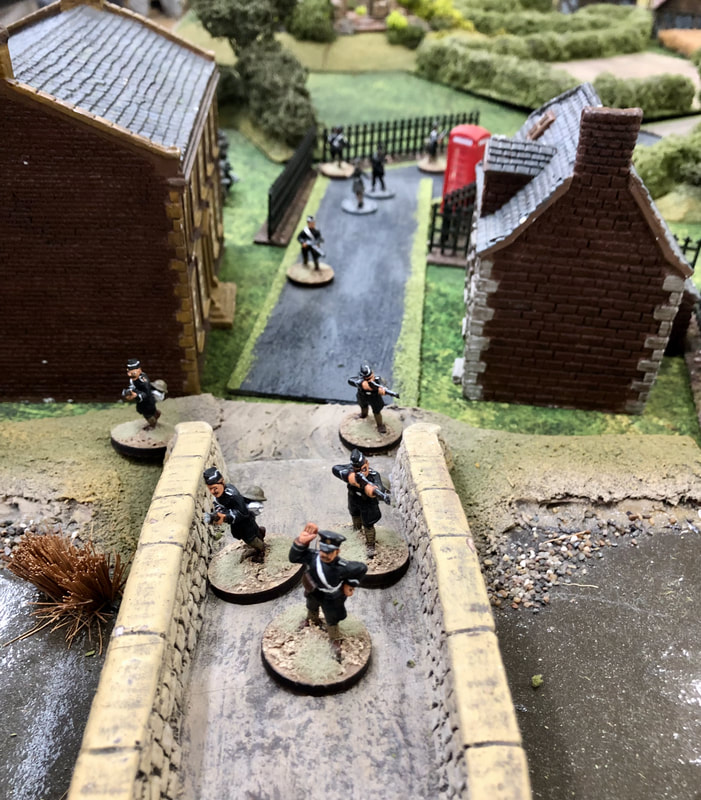
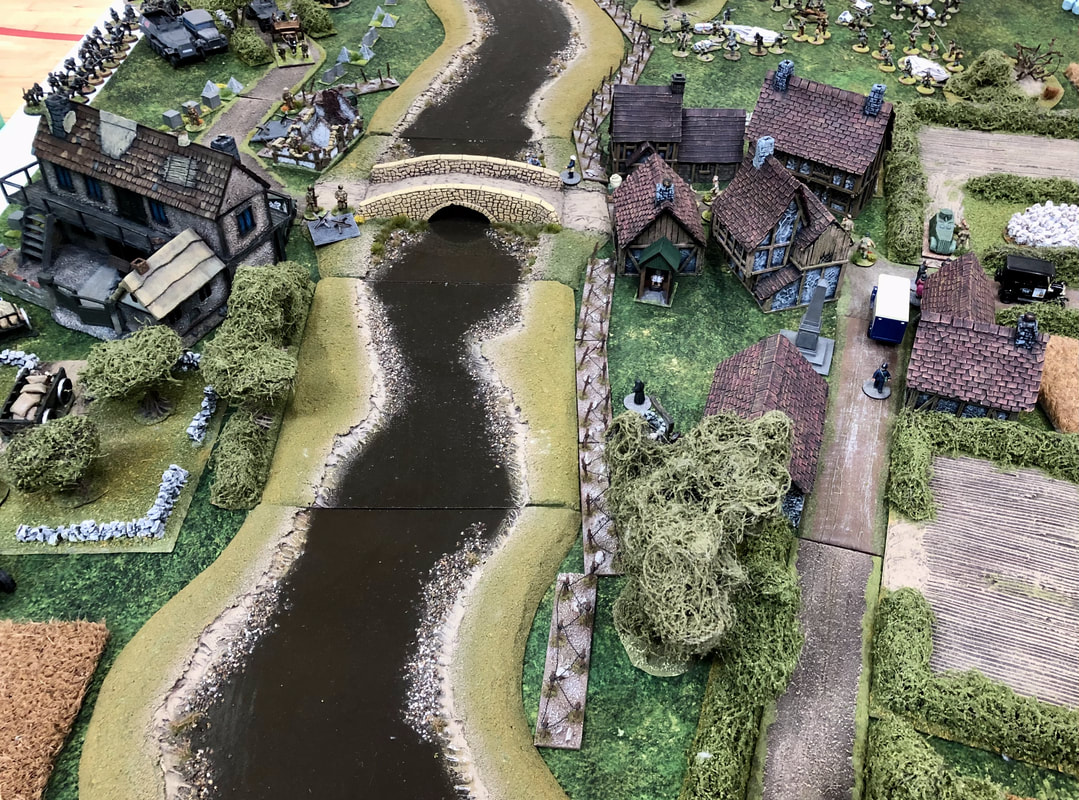
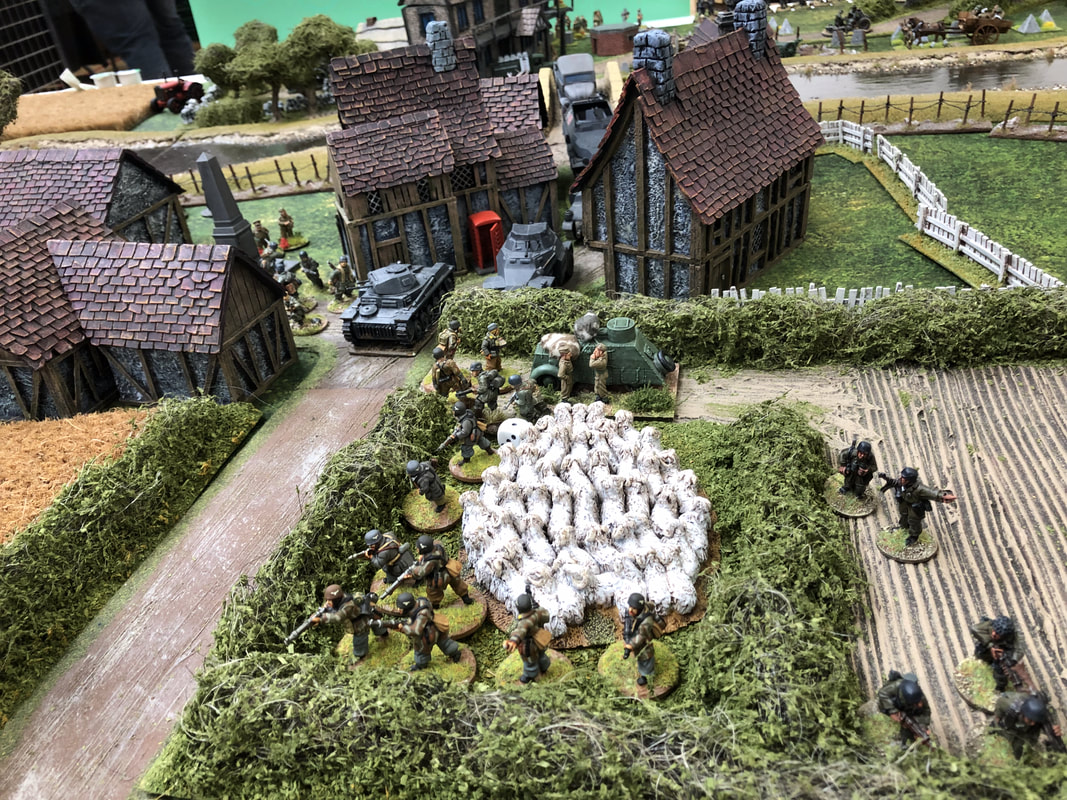
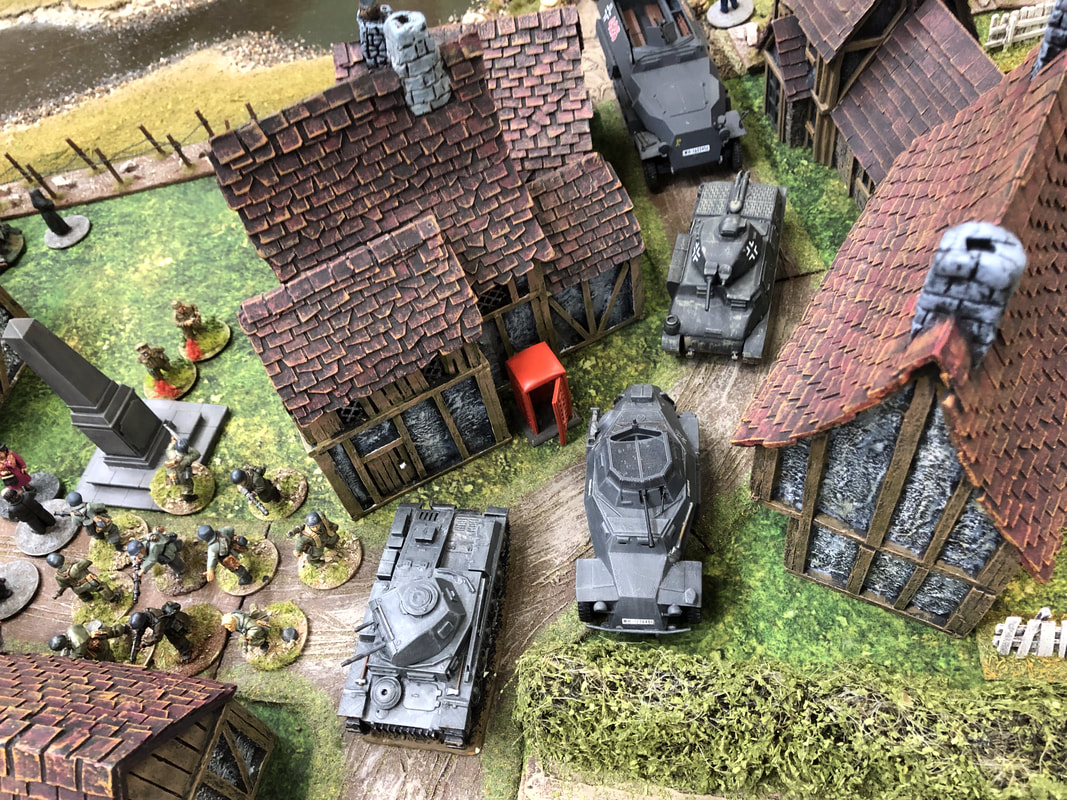
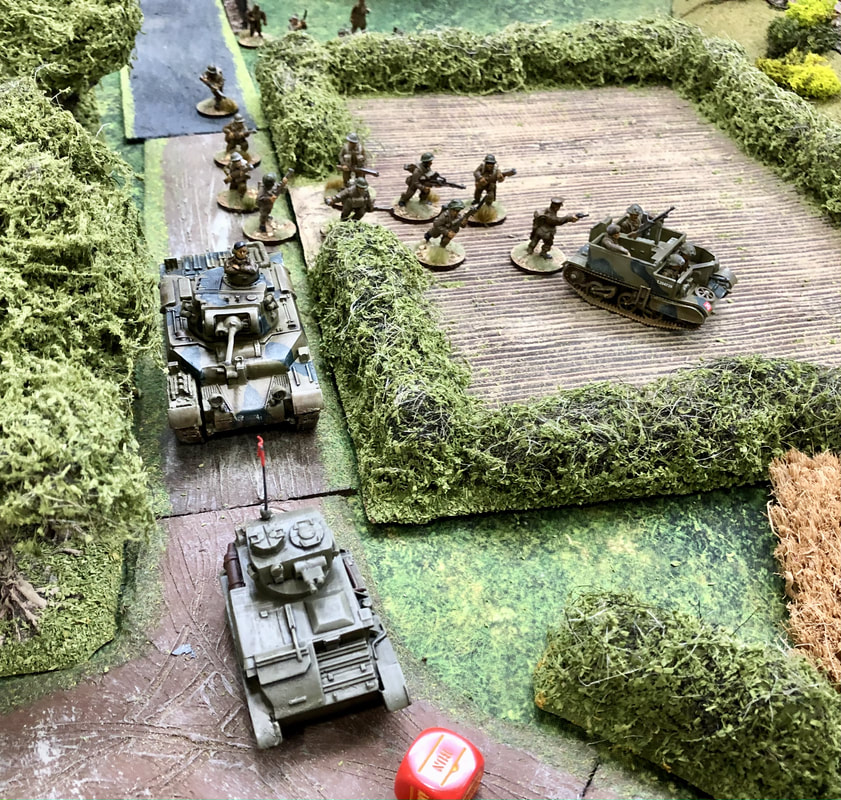
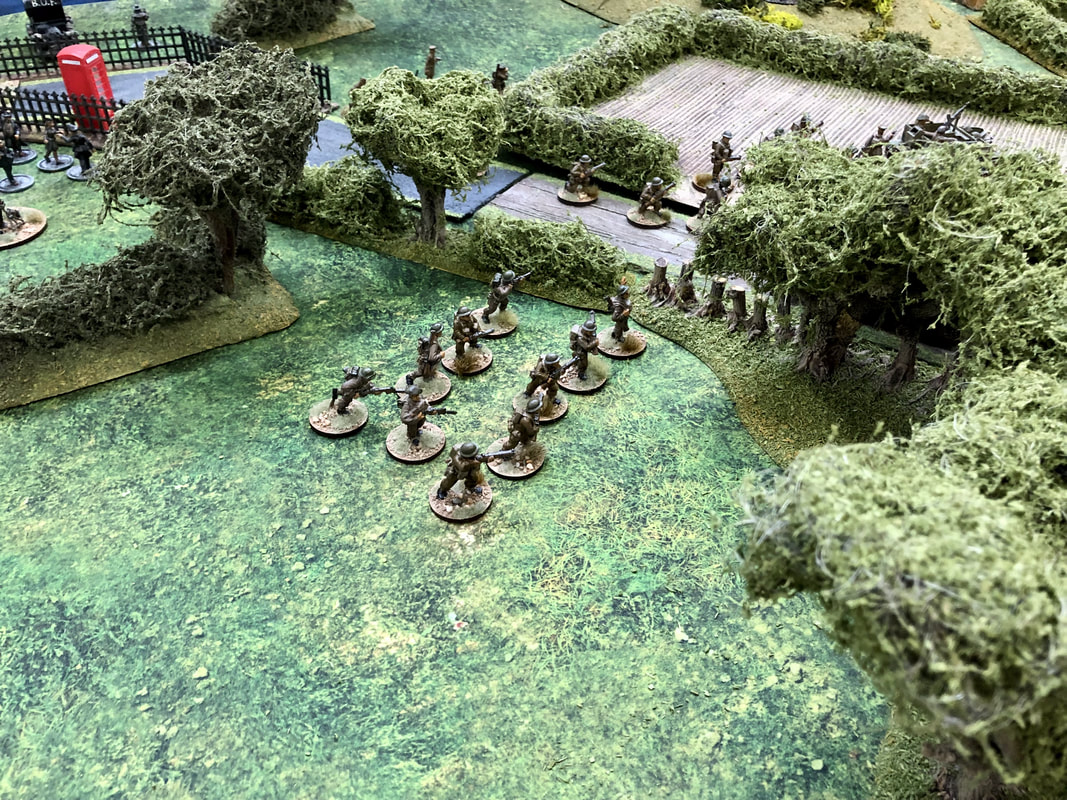
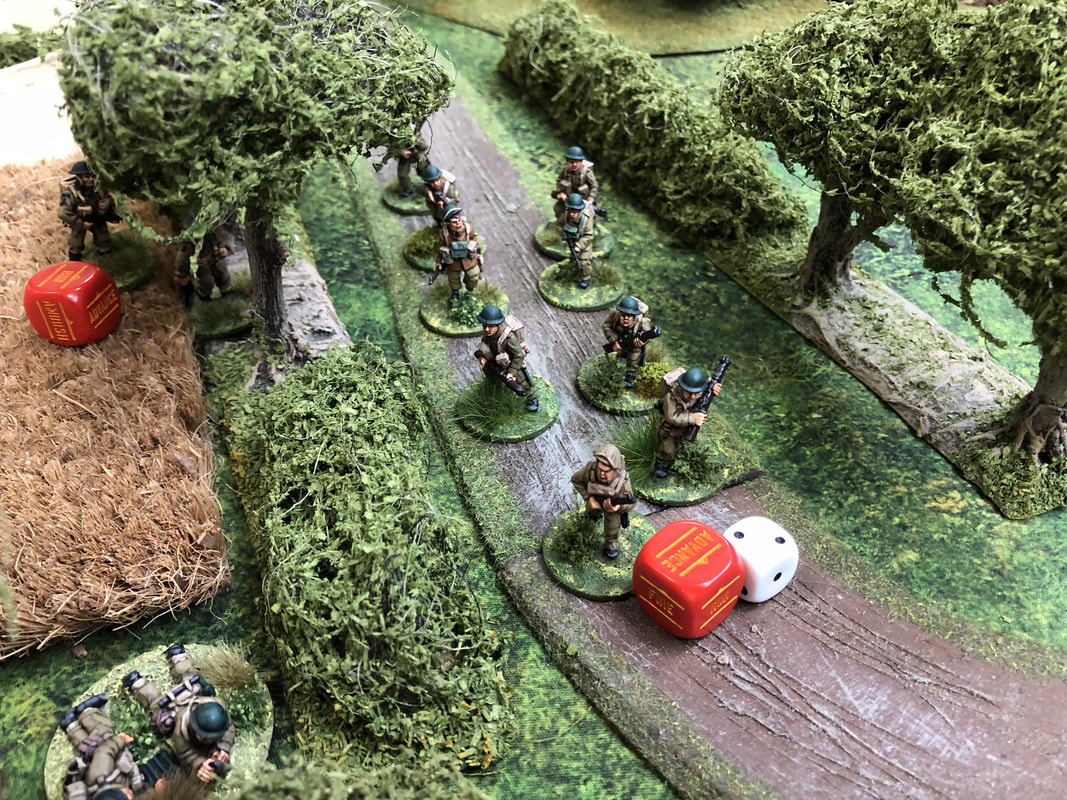
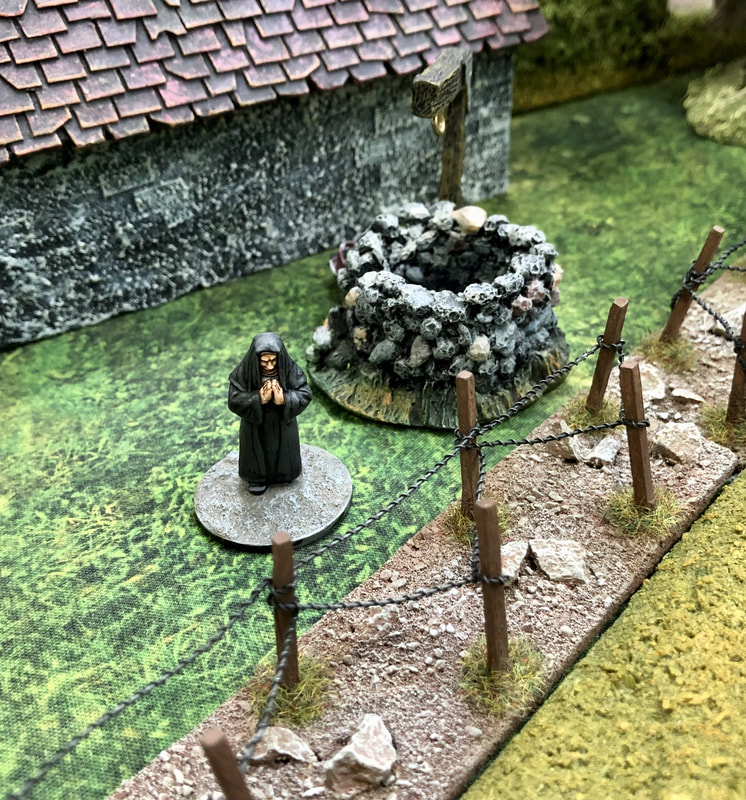
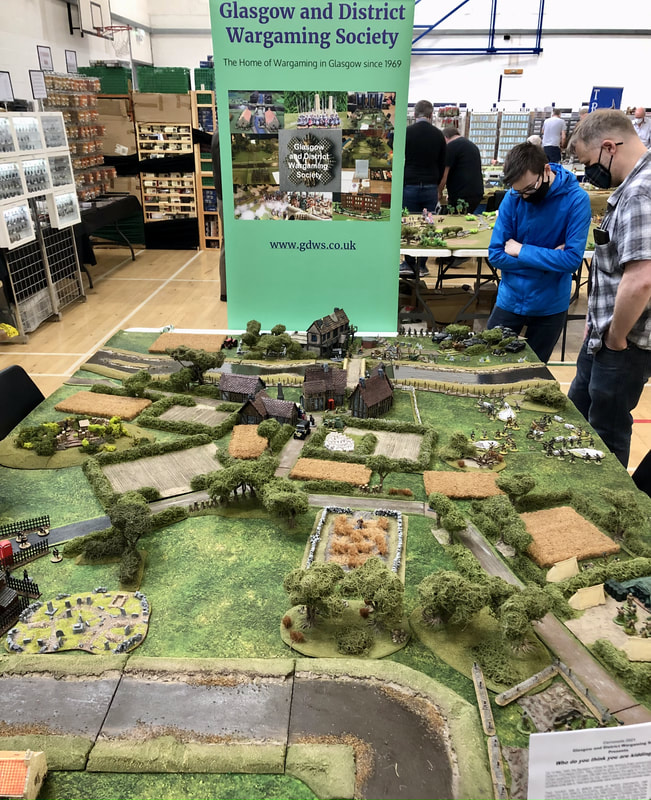
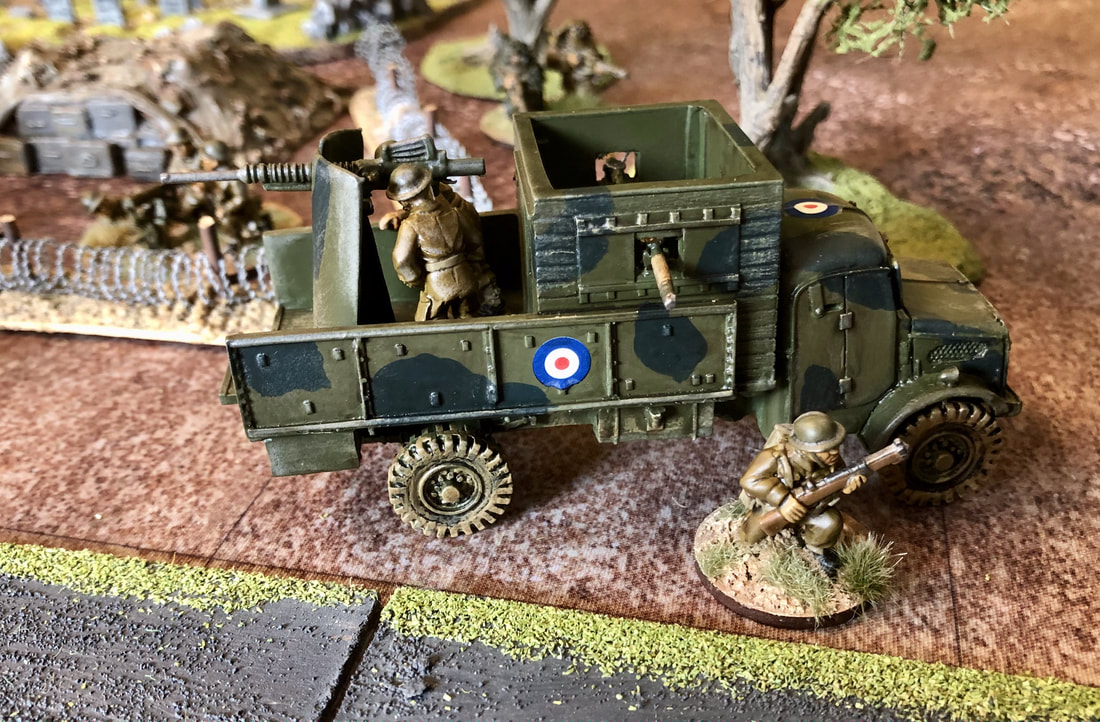
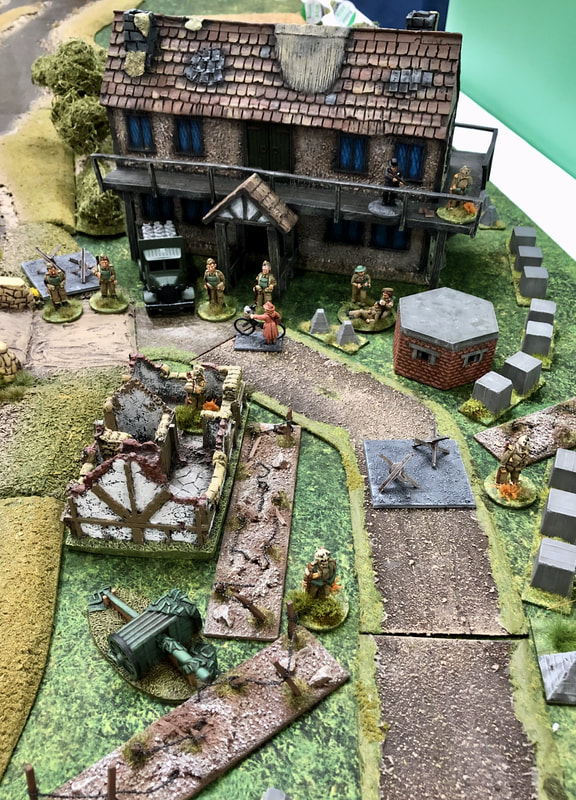
Their function was to defend places of tactical importance, man roadblocks, and observe the enemy. However, most thought their role was to hunt down the parachutists and ‘fifth columnists’ of popular media imagination. Equipment improved with the purchase of Enfield rifles from US stocks, with BARs and Lewis Guns. A wide range of improvised vehicles were developed including the Armadillo armoured truck (see table top). Formal military ranks were introduced in November 1940. On 16 July 1940, Hitler issued Führer Directive No. 16, preparing for a landing in Britain. The code name for the invasion was Seelöwe (Sea Lion). It was subject to four pre-conditions, including the destruction of the RAF and clearing and securing the Channel. The initial plan was for a broad front across the south coast. However, the Luftwaffe and Kriegsmarine argued for a narrow front that could be defended. The first wave would consist of nine divisions landing on the Kent and Sussex coast, plus a single airborne division. The defence plan envisaged a ‘crust’ on the coast, supported by several stop lines (with anti-tank obstacles), and a mobile reserve. Today’s game is based around one of these stop lines. The Home Guard is defending a bridge on the stop line as German Fallschirmjager land in the open ground behind them. Their job is to capture the village and bridge to allow the attacking column to advance through the stop line. A British column from the mobile reserve has been ordered to relieve the Home Guard and they will enter from the bridge on the other side of the table. Keep an eye out for ‘fifth columnists’ and Abwehr agents, who will seek to aid the Germans. The models are 28mm from a variety of manufacturers. The scenery is again from different firms with the extensive use of Last Valley foliage. The rules are Bolt Action from Warlord Games who have published two supplements covering these campaigns. Feel free to join in by taking a command for a turn or two. The Home Guard did not, of course, face a full-blown invasion by land and sea, but the words of the Victorian poet Alfred Richards were applied to the Home Guard at the time: We are not armed to carry war to near or distant land, To steep the smiling globe with gore Or prowl with hostile band. But we are trained with trust above To guard our native coast, Our Queen, our fame – for the home we love, And those we love the most. 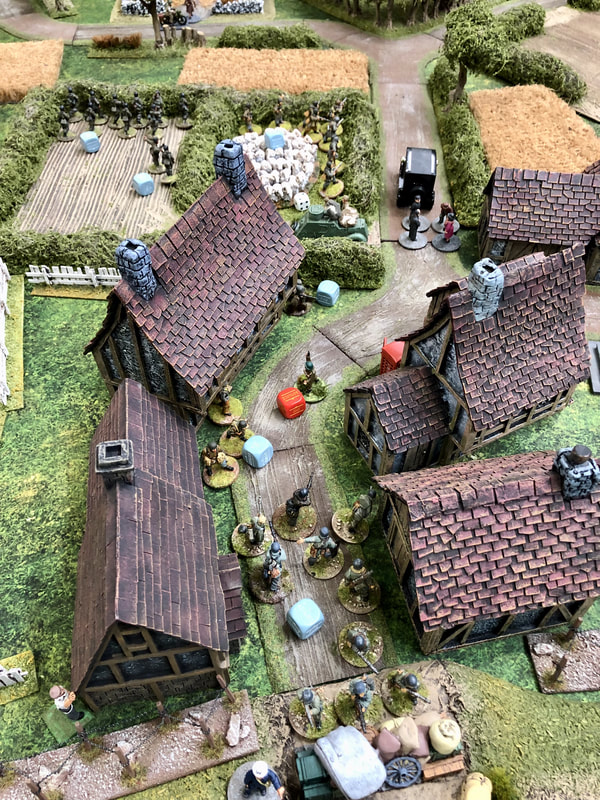
|
|